Metal Works

Custom Metal Gates: Design Ideas, Benefits, and How to Choose the Right One

The entrance to a property often sets the tone for everything beyond it. A gate is not just a barrier but a statement of style, security, and purpose. When designed with care and crafted from metal, it becomes a lasting feature that blends function with visual impact. Custom Metal Gates offer the flexibility to create something unique, tailored to specific needs, while enhancing the overall appeal of a space.

Understanding Custom Metal Gates

Custom metal gates are individually designed entry systems made from materials such as steel, aluminum, or iron. Unlike standard options, these gates are built to match specific dimensions, design preferences, and functional requirements. This level of customization allows property owners to create a gate that fits seamlessly with the surrounding architecture.

The purpose of a metal gate extends beyond controlling access. It provides security, defines boundaries, and contributes to the visual identity of a property. With custom fabrication, every detail can be adjusted, from the size and shape to the finish and decorative elements.

This adaptability makes custom metal gates suitable for a wide range of applications, from residential entrances to commercial properties.

Types of Metal Used in Custom Gates

The choice of metal plays a significant role in the performance and appearance of a gate. Steel is a popular option due to its strength and durability. It can withstand heavy use and provide a high level of security when properly maintained.

Aluminum is another common choice, valued for its lightweight nature and resistance to corrosion. This makes it particularly suitable for outdoor environments where exposure to moisture is a concern. Iron, especially in decorative designs, offers a classic and elegant look with the ability to incorporate intricate patterns.

Selecting the right material depends on factors such as climate, maintenance preferences, and desired aesthetics. Each type of metal offers unique advantages that influence the final result.

Design Options and Customization

One of the most appealing aspects of custom metal gates is the wide range of design possibilities. From simple and modern styles to elaborate and decorative patterns, customization allows for a truly unique creation. Designs can include geometric shapes, ornamental details, or a combination of materials such as glass or wood.

The size and structure of the gate can also be tailored to fit specific needs. Single swing, double swing, and sliding gates are common configurations, each offering different benefits depending on the space available and how the gate will be used.

Finishes add another layer of customization. Options such as matte, gloss, or textured coatings can enhance both appearance and durability. These choices allow the gate to complement the overall design of the property.

Fabrication Process

The fabrication of custom metal gates involves several precise steps. It begins with design planning, where measurements and specifications are established. This stage ensures that the gate will fit perfectly and function as intended.

Once the design is finalized, the metal is cut and shaped according to the specifications. Welding is often used to assemble the components, creating a strong and stable structure. Attention to detail during fabrication is essential for achieving a high quality result.

After assembly, the gate may undergo finishing treatments such as painting or coating. These treatments not only enhance the appearance but also protect the metal from environmental factors.

Installation and Functionality

Proper installation is critical to the performance of a custom metal gate. The gate must be aligned correctly and securely mounted to ensure smooth operation. This includes setting posts, attaching hinges or tracks, and testing the movement of the gate.

Functionality is an important consideration. Gates can be designed for manual operation or equipped with automated systems for added convenience. Automation allows for easy access and can include features such as remote controls or sensors.

Ensuring that the gate operates smoothly and reliably is essential for both usability and safety. A well installed gate provides consistent performance over time.

Security Benefits of Metal Gates

One of the primary reasons for installing a custom metal gate is to enhance security. Metal gates create a physical barrier that helps control access to a property. Their strength makes them difficult to breach, providing an added layer of protection.

Customization allows for additional security features, such as reinforced frames or integrated locking systems. The design can also be adjusted to limit visibility while still maintaining an attractive appearance.

Security is not only about protection but also about peace of mind. A well designed gate helps create a sense of safety for those inside the property.

Maintenance and Longevity

Maintaining a custom metal gate is important for preserving its appearance and functionality. Regular cleaning helps remove dirt and debris that can affect the finish. Protective coatings may need to be reapplied over time to prevent corrosion.

The level of maintenance required depends on the type of metal used. Aluminum typically requires less upkeep, while steel and iron may need more attention to prevent rust. Periodic inspections can help identify any issues early, allowing for timely repairs.

With proper care, custom metal gates can last for many years. Their durability makes them a long term investment that continues to provide value.

Applications in Different Settings

Custom metal gates are used in a variety of settings. In residential properties, they serve as entry points that enhance both security and curb appeal. In commercial environments, they help control access and protect assets.

Industrial applications often require gates that can withstand heavy use and challenging conditions. Custom designs can address these needs by incorporating features that improve durability and functionality.

Outdoor installations benefit from materials and finishes that resist weather conditions. This ensures that the gate remains effective and visually appealing over time.

Trends in Custom Metal Gate Design

Modern trends in custom metal gates often focus on combining functionality with clean, contemporary design. Minimalist styles with simple lines and open patterns are popular choices. These designs create a modern look while maintaining visibility and airflow.

There is also a growing interest in integrating technology. Automated systems and smart features add convenience and improve usability. These advancements allow gates to adapt to modern lifestyles.

Customization continues to drive innovation, enabling unique designs that reflect personal style and architectural trends.

Final Thoughts

Custom metal gates offer a powerful combination of security, durability, and design flexibility. From material selection to fabrication and installation, each step contributes to creating a gate that meets specific needs and enhances the overall property. Their ability to blend functionality with visual appeal makes them a valuable addition to any space.

Understanding the options available and the factors involved in choosing a custom metal gate helps ensure a successful outcome. With thoughtful design and proper maintenance, these gates can provide lasting performance and style. In the end, a custom metal gate is more than just an entrance. It is a statement of quality, protection, and individuality.


Septic Tank Pumping

How Does Septic Tank Pumping Work and Why Is It Important

Septic Tank Pumping

There is a part of your home that quietly handles waste every single day, yet most people rarely think about it until something goes wrong. Beneath the surface, your septic system is constantly working to process wastewater and keep your environment clean. When it functions properly, it goes unnoticed. When it fails, the consequences can be messy, expensive, and stressful.

Septic Tank Pumping Fresno is one of the simplest ways to prevent those problems, yet it is often overlooked. Understanding how this process works and why it matters can help you protect your home and avoid unnecessary complications.

Understanding the Role of a Septic Tank

A septic tank is designed to treat and separate household wastewater. Every time water flows down a drain, it enters the tank where natural processes begin to break down waste. Inside the tank, solids settle at the bottom, forming a layer known as sludge. Lighter materials such as oils and grease rise to the top, creating a scum layer. Between these layers is a relatively clear liquid that flows out into the drain field.

The tank acts as a holding and treatment chamber. It allows time for solids to decompose and prevents them from entering the drain field. This separation process is essential for the overall function of the system. Without it, the drain field would quickly become clogged and ineffective.

Over time, however, the layers inside the tank continue to build. Even with natural breakdown, not all materials decompose completely. This is where septic tank pumping becomes necessary.

What Happens During Septic Tank Pumping

Septic tank pumping involves removing the accumulated sludge and scum from the tank. This is done using specialized equipment that extracts the waste and transports it to a proper disposal facility. The process begins by locating the tank and opening the access point.

Once the tank is open, the contents are carefully pumped out. This includes both the solid and floating layers. The goal is to restore the tank to its optimal capacity so it can continue to function efficiently. During this process, the interior of the tank may also be inspected for signs of damage or wear.

After the pumping is complete, the tank is securely closed, and the system is ready to resume operation. Although the process itself may be straightforward, its impact on the system is significant. Removing the buildup allows the tank to handle wastewater more effectively and reduces the risk of overflow or blockage.

Why Septic Tank Pumping Is Essential

Regular septic tank pumping is crucial for maintaining a healthy and functional system. Without it, the accumulation of solids can lead to serious problems. As the sludge level rises, there is less space for wastewater, which can cause backups in the home.

Another major concern is the drain field. When solids escape the tank, they can clog the soil and prevent proper absorption. This can result in standing water, unpleasant odors, and costly repairs. In some cases, the damage may be irreversible, requiring a complete replacement of the drain field.

Septic tank pumping also plays a role in protecting the environment. A failing system can release harmful contaminants into the soil and groundwater. By keeping the tank clean, the risk of pollution is minimized.

Consistent maintenance not only prevents these issues but also extends the lifespan of the system. A well maintained septic system can operate efficiently for many years, saving time and money in the long run.

Factors That Affect Pumping Frequency

The frequency of septic tank pumping depends on several factors. One of the most important is household size. More people in a home means more wastewater and faster accumulation of solids. This can require more frequent pumping to keep the system functioning properly.

Tank size also plays a role. Smaller tanks fill up more quickly and may need to be pumped more often. Larger tanks can handle more waste but still require regular maintenance to prevent buildup.

Water usage habits are another key factor. High water consumption can overwhelm the system and push solids into the drain field. Spreading out water usage and avoiding excessive strain on the system can help maintain balance.

The type of waste entering the tank also matters. Non biodegradable materials and grease can accumulate quickly and reduce the effectiveness of the system. Being mindful of what goes down the drain can help extend the time between pumping sessions.

Warning Signs That Pumping Is Needed

Even with a maintenance schedule, it is important to recognize the signs that indicate a septic tank may need pumping. Slow draining sinks and toilets are often one of the first indicators. This can suggest that the tank is nearing capacity and cannot process wastewater efficiently.

Unpleasant odors around the home or yard may also signal a problem. These smells can indicate that waste is not being properly contained within the system. In some cases, pooling water or unusually green grass near the drain field may appear, which can be a sign of overflow.

More serious issues include sewage backups inside the home. This is a clear indication that the system is overloaded and requires immediate attention. Ignoring these warning signs can lead to more extensive damage and higher repair costs.

Being proactive and addressing these symptoms early can prevent larger problems and keep the system running smoothly.

Best Practices to Support Your Septic System

In addition to regular pumping, there are several practices that can help maintain the health of a septic system. Conserving water is one of the most effective ways to reduce strain on the tank. Simple changes such as fixing leaks and using water efficiently can make a significant difference.

Avoiding the disposal of harmful materials is equally important. Items such as grease, wipes, and harsh chemicals can disrupt the natural processes within the tank. These substances can accumulate and lead to clogs or reduced efficiency.

Routine inspections can also help identify potential issues before they become serious. Checking the system periodically ensures that it is functioning as expected and allows for timely maintenance.

By combining these practices with regular septic tank pumping, homeowners can create a balanced approach that supports long term performance.

Long Term Benefits of Consistent Maintenance

Maintaining a regular septic tank pumping schedule offers numerous long term benefits. A properly functioning system reduces the risk of unexpected failures and costly repairs. It also ensures that wastewater is treated effectively, which contributes to a healthier living environment.

Consistent maintenance helps preserve the integrity of the entire system. From the tank to the drain field, each component relies on proper care to function correctly. Neglecting one aspect can lead to problems throughout the system.

Another benefit is peace of mind. Knowing that the septic system is well maintained allows homeowners to focus on other priorities without worrying about potential issues. This sense of reliability is invaluable when it comes to managing a home.

Over time, the investment in regular maintenance pays off through improved performance and reduced expenses.

Conclusion

Septic tank pumping is a simple yet essential part of maintaining a reliable wastewater system. By removing accumulated solids, it prevents blockages, protects the drain field, and supports the overall efficiency of the system. Understanding how the process works and recognizing the signs of needed maintenance can help homeowners take a proactive approach. With consistent care and attention, a septic system can continue to operate effectively for many years, providing a safe and dependable solution for managing household waste.

Landscaping Services

Landscaping Services: The Ultimate Guide to Transforming and Maintaining Beautiful Outdoor Spaces

Landscaping Services

Step outside your front door and imagine being greeted by vibrant greenery, neatly trimmed lawns, colorful flowers in full bloom, and a welcoming pathway that invites you in. The outdoor space surrounding a home has the power to shape first impressions, influence mood, and even increase property value. Yet achieving and maintaining that level of beauty takes more than occasional mowing or planting a few shrubs.

Professional Landscaping Services Honolulu HI provide the expertise, creativity, and consistency needed to transform ordinary yards into stunning and functional outdoor environments.

What Landscaping Services Include

Landscaping services encompass a broad range of tasks designed to enhance and maintain outdoor spaces. While many people associate landscaping with lawn mowing or planting flowers, the scope of services goes far beyond basic yard work. A comprehensive landscaping service may include design planning, plant installation, irrigation setup, hardscape construction, seasonal cleanup, and ongoing maintenance.

Landscape design is often the first step. This phase involves evaluating the property, understanding the client’s goals, and creating a plan that balances aesthetics with functionality. Designers consider factors such as soil quality, drainage patterns, sun exposure, and the natural contours of the land. These details influence plant selection, layout, and structural features.

Installation services bring the design to life. This may involve planting trees, shrubs, and flowers, laying sod, constructing garden beds, and installing irrigation systems. Hardscaping elements such as patios, walkways, and retaining walls may also be included in the process. Once the project is complete, maintenance services ensure the landscape continues to thrive and look its best throughout the year.

The Benefits of Professional Landscaping

Hiring professional landscaping services offers numerous advantages that extend beyond visual appeal. One of the most significant benefits is increased property value. A well designed and maintained landscape enhances curb appeal and can make a strong impression on potential buyers. Even for homeowners who do not plan to sell, a beautiful yard contributes to a sense of pride and enjoyment.

Professional landscapers bring specialized knowledge that helps prevent common issues. They understand which plants are best suited for specific soil types and climate conditions. They also know how to address drainage challenges, prevent erosion, and promote healthy plant growth. This expertise reduces the risk of costly mistakes and ensures long term success.

Another important benefit is time savings. Maintaining a yard requires consistent effort, from mowing and trimming to fertilizing and watering. For homeowners with busy schedules, outsourcing these tasks to professionals allows them to enjoy their outdoor space without the stress of ongoing upkeep.

Landscaping services also improve functionality. Thoughtfully designed outdoor areas create spaces for relaxation, entertainment, and recreation. Whether it is a quiet garden retreat or a spacious patio for gatherings, professional landscaping transforms unused areas into purposeful environments.

Landscape Design and Planning

Effective landscaping begins with careful planning. Landscape design is not simply about arranging plants in attractive patterns. It involves creating a cohesive layout that complements the architecture of the home and meets the practical needs of the property.

Designers start by assessing the site. They examine soil composition, slope, drainage, and existing vegetation. Understanding these elements helps determine what modifications are necessary before installation. For example, poor drainage may require grading adjustments or the installation of drainage systems to prevent water accumulation.

Plant selection is another critical component of design. Professionals consider factors such as growth rate, mature size, maintenance requirements, and seasonal color changes. Selecting plants that thrive in the local climate ensures durability and reduces maintenance demands.

Hardscape features are integrated into the design to provide structure and usability. Patios, walkways, seating areas, and decorative walls define different zones within the yard. These elements create balance between softscape features like plants and grass and solid surfaces that support daily use.

Sustainability is increasingly important in modern landscape design. Many homeowners seek eco friendly solutions such as native plants, efficient irrigation systems, and permeable paving materials. These choices conserve resources while maintaining visual appeal.

Lawn Care and Maintenance Services

Once a landscape is installed, regular maintenance is essential to preserve its health and appearance. Lawn care services form the foundation of ongoing landscaping support. Routine mowing, edging, and trimming keep grass neat and encourage even growth.

Fertilization and soil treatments provide nutrients that promote strong root development. Aeration helps relieve soil compaction, allowing water and nutrients to penetrate more effectively. Weed control measures prevent invasive plants from overtaking lawns and garden beds.

Seasonal maintenance plays a significant role in landscape health. In the spring, professionals prepare the yard for new growth by pruning plants and clearing debris. During the summer, they monitor irrigation systems and address heat related stress. Fall services may include leaf removal and preparing plants for cooler temperatures. Winter maintenance focuses on protecting vulnerable vegetation from harsh conditions.

Consistent care not only preserves beauty but also prevents minor issues from becoming major problems. Early detection of pests, disease, or drainage concerns allows for prompt intervention and reduces long term damage.

Hardscaping and Outdoor Living Enhancements

Landscaping services often extend to hardscaping projects that enhance both function and style. Hardscaping refers to the non living elements of a landscape, such as patios, pathways, driveways, and retaining walls. These features provide structure and improve usability.

A well designed patio creates an inviting space for outdoor dining or relaxation. Walkways guide movement through the yard and connect different areas seamlessly. Retaining walls help manage elevation changes and prevent soil erosion while adding visual interest.

Outdoor lighting is another valuable enhancement. Strategically placed lights illuminate pathways, highlight architectural features, and create ambiance in the evening. Lighting also improves safety by reducing dark areas around the property.

Water features such as fountains or small ponds introduce soothing sounds and a sense of tranquility. Fire pits and seating areas encourage social interaction and extend the usability of outdoor spaces into cooler seasons.

When hardscaping and softscaping are thoughtfully integrated, the result is a balanced environment that feels cohesive and inviting. Professional landscaping services ensure these elements are installed correctly and harmonize with the overall design.

Choosing the Right Landscaping Service

Selecting the right landscaping service requires careful research and consideration. Experience and expertise should be top priorities. Reviewing past projects provides insight into the quality of workmanship and design style.

Clear communication is essential for a successful partnership. A reliable landscaping professional listens to your goals, offers informed recommendations, and provides detailed proposals outlining the scope of work and associated costs. Transparency builds trust and sets realistic expectations.

It is also important to verify credentials and insurance coverage. Proper qualifications demonstrate professionalism and protect both the homeowner and the service provider during the project.

Comparing multiple estimates can help you understand pricing variations and determine value. While budget is an important factor, it should not be the sole deciding element. Quality materials, skilled labor, and long term reliability contribute significantly to overall satisfaction.

Building a long term relationship with a landscaping service offers ongoing benefits. As professionals become familiar with your property, they can anticipate maintenance needs and recommend enhancements that align with your vision.

Conclusion: Investing in Lasting Outdoor Beauty

Landscaping services provide far more than simple yard maintenance. They offer comprehensive solutions that transform outdoor spaces into beautiful, functional environments. Through thoughtful design, expert installation, and consistent care, professional landscapers enhance both the appearance and value of a property.

Whether you are seeking a complete landscape redesign or reliable maintenance for an existing yard, investing in professional landscaping services ensures lasting results. A well-maintained and thoughtfully designed outdoor space becomes an extension of the home, offering comfort, enjoyment, and pride for years to come.

Concrete Contractors

Expert Concrete Services for Durable and Long-Lasting Surfaces

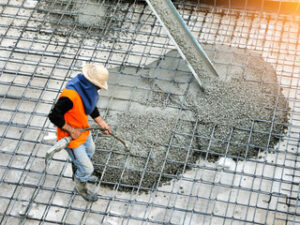
Concrete Franklin TN is one of the most versatile and durable construction materials used in both residential and commercial projects. From driveways and patios to foundations and walkways, concrete surfaces provide strength, reliability, and long-term performance that few other materials can match. However, the durability and longevity of concrete depend heavily on proper installation, maintenance, and the expertise of the professionals handling it. Investing in expert concrete services ensures that surfaces are not only visually appealing but also structurally sound, capable of withstanding daily use, weather conditions, and time itself. Understanding the full scope of concrete services, their benefits, and what to look for in a reliable provider is crucial for property owners who want lasting results.

concrete

One of the primary advantages of professional concrete services is the ability to achieve consistent quality in every project. Concrete work requires precise measurements, proper mixing ratios, and attention to detail during pouring and finishing. Even minor deviations can result in cracking, uneven surfaces, or premature wear. Expert contractors have the knowledge and equipment to handle these technical aspects, ensuring a smooth, level, and durable surface. Whether it is a new installation or a repair, professional oversight guarantees that the concrete will meet structural standards and perform optimally for years to come.

Durable concrete surfaces are especially important for areas subjected to heavy traffic or extreme environmental conditions. Driveways, commercial parking lots, and industrial floors experience constant pressure from vehicles and equipment, which can cause deterioration if the concrete is not properly installed or reinforced. Using high-quality materials, advanced reinforcement techniques, and proper curing methods helps prevent cracking, spalling, and surface wear. Expert concrete services provide these measures as part of their standard practice, giving property owners peace of mind that their surfaces can withstand daily challenges without compromising appearance or safety.

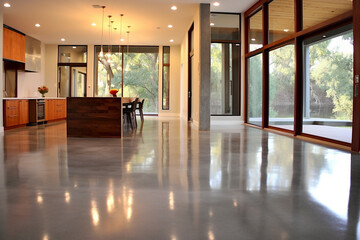
Concrete’s versatility is another reason why professional services are highly valuable. Concrete can be customized in terms of texture, color, and finish to suit different aesthetic preferences and functional requirements. Stamped concrete, exposed aggregate, polished surfaces, and colored finishes offer a wide range of design options that enhance both the visual appeal and usability of outdoor and indoor spaces. Professionals understand how to apply these finishes correctly while maintaining the material’s inherent strength and durability. They can provide guidance on which type of surface best suits the property’s purpose and budget, ensuring a balance between style and functionality.

Proper maintenance is another critical component of concrete longevity, and expert services often include guidance on routine care. While concrete is inherently strong, neglecting maintenance can lead to issues such as surface cracks, staining, or erosion over time. Regular cleaning, sealing, and inspections help protect the surface from water penetration, chemical exposure, and environmental wear. Professionals can recommend the most appropriate sealants and protective treatments based on the specific type of concrete and its intended use, significantly extending the life of the installation. Maintenance also plays a role in preserving the aesthetic qualities of concrete, keeping surfaces looking clean and well-maintained over the years.

Concrete repair is equally important when addressing older surfaces or damaged areas. Cracks, chips, and uneven sections can compromise the safety and appearance of a property if left untreated. Professional concrete repair services include crack filling, resurfacing, leveling, and reinforcement techniques that restore both functionality and visual appeal. Repairing concrete properly requires an understanding of the material’s behavior and the causes of damage, ensuring that solutions are long-lasting rather than temporary fixes. Property owners who invest in professional repair services not only improve the safety of their surfaces but also prevent more extensive and expensive issues from developing in the future.

One of the key considerations in concrete work is the foundation and sub-base preparation. Expert contractors ensure that the area is properly excavated, leveled, and compacted before any concrete is poured. A well-prepared sub-base prevents settling, shifting, and cracking, which are common issues with poorly executed installations. Proper drainage and grading are also essential to prevent water accumulation, which can erode the sub-base and weaken the concrete over time. By addressing these foundational elements, professional concrete services set the stage for durable, long-lasting surfaces that maintain their integrity for decades.

Another advantage of hiring experts is access to advanced equipment and materials. Modern concrete installation often involves specialized mixers, vibrators, finishing tools, and curing compounds that enhance the strength and consistency of the surface. Professionals also source high-quality concrete mixes that meet project-specific requirements, whether for high-strength industrial floors, decorative outdoor patios, or standard residential driveways. These resources, combined with skillful application techniques, result in surfaces that are both functional and visually appealing. Attempting concrete work without professional equipment and expertise can lead to uneven surfaces, weak spots, and a shorter lifespan.

Safety is a significant consideration in all concrete projects. Proper handling of materials, adherence to construction standards, and correct use of equipment reduce the risk of injury and ensure the durability of the surface. Expert concrete services follow established safety protocols, protecting both workers and property during installation or repair. Additionally, correctly installed concrete surfaces provide a safer environment for everyday use, reducing tripping hazards, uneven sections, and areas prone to water accumulation. Property owners who prioritize professional services benefit not only from enhanced durability but also from safer and more reliable surfaces.

Cost-effectiveness is another compelling reason to invest in professional concrete services. While some property owners may consider DIY installations to save money, the potential for mistakes, uneven surfaces, and early deterioration often results in higher costs in the long run. Expert services ensure that the job is done right the first time, minimizing the need for frequent repairs or premature replacement. The combination of quality materials, proper installation techniques, and maintenance guidance ultimately provides better value, making professional services a wise investment for both residential and commercial properties.

Concrete services also encompass specialized installations such as retaining walls, walkways, pool decks, and commercial flooring. These projects require unique considerations, including load-bearing capacity, exposure to elements, and decorative aspects. Professionals have the knowledge to handle these specialized tasks efficiently, ensuring that each surface meets functional and aesthetic requirements. Retaining walls, for example, must be constructed to resist soil pressure and water movement, while pool decks require slip-resistant finishes and proper drainage. Professional expertise guarantees that these unique surfaces perform safely and effectively while enhancing the property’s overall appearance.

To summarize, there are several critical benefits to relying on expert concrete services:

  1. Durability and Longevity: Proper installation, reinforcement, and maintenance ensure that surfaces withstand heavy traffic and environmental stresses for years.
  2. Aesthetic Versatility: Decorative options such as stamped, colored, or polished concrete enhance property appeal while maintaining structural integrity.
  3. Safety and Functionality: Expertly installed and repaired surfaces reduce hazards and improve usability in both residential and commercial settings.
  4. Cost-Effectiveness: Professional services prevent costly mistakes, minimize repairs, and extend the lifespan of concrete installations.

In conclusion, investing in expert concrete services is essential for anyone looking to achieve durable, safe, and visually appealing surfaces. From preparation and installation to maintenance and repair, professional contractors provide the knowledge, tools, and experience needed to ensure long-term performance. Well-installed concrete enhances the functionality, safety, and beauty of driveways, patios, foundations, and other surfaces, delivering both immediate and lasting value. By prioritizing quality and expertise, property owners can enjoy strong, reliable concrete surfaces that withstand the test of time and elevate the overall appeal of their properties.

Visit our Professional Services Blogs

Smart Choice Plumbing And Air, Sanitize My Airducts, Bethesda Locksmith, Golden Coast Cleaners, Advanced Concrete Staining, Home Pool Cleaners, Brayhines Septic, Shaka Pool And Spa Cleaning,Mr Clean And Shine, Best Appliance Repair Long Beach, Gulf to Bay Water Remediation, Garage Door San Francisco, Richmond Flooring, Fence Builders Woodlands, Colorado Springs Auto, Fuel Frontlines, Expert 24 Option, Sacramento Roseville Real Estate, SLO Homes, Philadelphia Towing, State Powerwashing, Truck Tires Worldwide, Website Translation, Construction Company Farmington NM, Green Home Los Angeles, Trinity SEO Marketing, Electric Fireplaces, Argos Bookkeeping, Christopherson Drywall,Garage Door Installation, Missouri Personal Injury Lawyer Blog, Alvins Auto Body, Carpet Care Pros, Las Vegas Concrete, Clark Concrete Company, Deck Builders Missour City, Lechleitner Builders, Medical Health Insurance Policy, Royal Siding Windows, Carpet Steam Cleaners Review, Go Greeen Lawn Painting, Oakwood Skate Deck, Texas Home Remodeling And Painting, USA Home Repair Remodeling, Dream Home Remodeling Services, Brent Lawn Homes, Great Ernm Homes, Accelerated Orthodontic, Arctic Cooling And Heating, Baltimore Heating And Airconditioning

Concrete Contractors

Professional Concrete Contractors for Durable and Long-Lasting Surfaces

Concrete is one of the most versatile and durable building materials used in construction today. From driveways and patios to commercial floors and industrial foundations, concrete plays a critical role in providing long-lasting structural integrity. However, achieving a high-quality concrete surface requires skilled craftsmanship, precise planning, and professional installation.

concrete contractors

The Role of Professional Concrete Contractors

Concrete may appear simple, but its installation and finishing require careful attention to detail. Improperly mixed, poured, or cured concrete can result in cracks, uneven surfaces, or premature wear, reducing both functionality and lifespan. Professional concrete contractors are trained to handle every step of the process, from site preparation and formwork to pouring, finishing, and curing. Their expertise ensures that surfaces are strong, level, and able to withstand environmental stresses such as weather, heavy loads, and frequent use.

Contractors also provide guidance on the most suitable concrete mix and design for a specific project. Factors such as climate, load-bearing requirements, and aesthetic preferences influence the choice of concrete type, additives, and finishing techniques. By leveraging professional knowledge, property owners can achieve durable surfaces that meet both functional and visual expectations.

Benefits of Hiring Professional Concrete Contractors

Investing in professional concrete services offers numerous advantages over DIY installations or unskilled labor. Key benefits include:

  1. Durability and Longevity – Expertly installed concrete withstands heavy traffic, weather conditions, and daily wear and tear. Contractors ensure proper curing and reinforcement, reducing the risk of cracks, spalling, or structural failure.
  2. Enhanced Aesthetic Appeal – Concrete is highly versatile and can be finished in a variety of styles, including stamped, polished, colored, or exposed aggregate. Professional contractors use advanced techniques to create visually appealing surfaces that complement the overall design of the property.
  3. Cost-Effective Investment – While professional installation may involve upfront costs, it saves money in the long term by minimizing repairs, maintenance, and replacement needs. Durable concrete reduces the likelihood of costly structural issues down the line.
  4. Safety and Compliance – Contractors ensure that all concrete work meets building codes, safety standards, and load-bearing specifications. Properly installed surfaces reduce risks such as uneven slabs, trip hazards, or weak foundations.
  5. Time Efficiency – Skilled professionals complete projects efficiently, using specialized equipment and proven methods to minimize downtime and disruption. Homeowners and business owners benefit from timely project completion without compromising quality.

Applications of Professional Concrete Services

Concrete is widely used in residential, commercial, and industrial settings due to its strength, durability, and versatility. Professional concrete contractors provide services for a variety of applications, including:

  • Driveways and Walkways – Concrete driveways and walkways are durable, low-maintenance, and able to withstand vehicle traffic and heavy use. Contractors ensure proper grading, reinforcement, and finishing for long-lasting results.
  • Patios and Outdoor Living Spaces – Concrete patios, seating areas, and outdoor kitchens offer functional and visually appealing solutions. Contractors can provide decorative finishes, stamping, or coloring to enhance outdoor aesthetics.
  • Foundations and Slabs – Strong foundations are critical for structural stability in both residential and commercial construction. Professional contractors ensure proper site preparation, reinforcement, and curing to support buildings for decades.
  • Garage Floors and Commercial Pavements – Concrete provides a durable and resilient surface for garages, warehouses, and industrial facilities. Proper installation and finishing prevent cracking, spalling, and uneven wear over time.
  • Pool Decks and Recreational Areas – Concrete pool decks, sports courts, and walkways require slip-resistant finishes, proper drainage, and durable surfaces to ensure safety and longevity. Contractors apply specialized techniques to meet these requirements.
  • Repair and Maintenance Services – In addition to new installations, professional contractors handle repairs for cracked, chipped, or uneven concrete surfaces. Timely maintenance restores functionality and prevents further damage.

Techniques and Quality Standards in Concrete Work

Professional concrete contractors use a combination of industry-standard techniques and modern technology to deliver high-quality surfaces. Key processes include:

  1. Site Preparation – Proper site preparation involves clearing debris, grading the area, and installing formwork to contain the concrete. Accurate preparation prevents settling, uneven surfaces, and structural issues.
  2. Mixing and Pouring – Contractors select the appropriate concrete mix based on project requirements, ensuring the right balance of strength, durability, and workability. Proper pouring techniques prevent air pockets, voids, and weak spots.
  3. Reinforcement – Steel rebar, wire mesh, or fiber reinforcement is often used to enhance concrete strength and minimize cracking. Contractors determine the proper reinforcement layout for each project.
  4. Finishing – Surface finishing techniques include troweling, brooming, stamping, polishing, and coloring. These methods provide durability, aesthetic appeal, and functional qualities such as slip resistance.
  5. Curing and Sealing – Proper curing is essential for achieving maximum strength and durability. Contractors monitor moisture levels and temperature to ensure concrete sets correctly. Sealing provides additional protection against stains, water infiltration, and wear.

Why Expertise Matters in Concrete Projects

While concrete may seem straightforward, the margin for error is narrow. Mistakes in mixing, pouring, or finishing can lead to long-term problems such as cracks, uneven surfaces, water damage, or structural instability. Professional contractors bring the expertise, experience, and tools necessary to avoid these issues. They also provide recommendations for preventative maintenance, ensuring that concrete surfaces remain functional and attractive for years to come.

Experienced contractors understand local building codes, climate considerations, and material performance. This knowledge allows them to customize solutions for each project, whether it involves a residential driveway, commercial pavement, or industrial slab. By hiring professionals, property owners gain peace of mind knowing that their concrete surfaces are installed correctly and built to last.

Two Key Advantages of Hiring Professional Concrete Contractors

  1. Durability and Reliability – Professional installation ensures that concrete surfaces can withstand heavy loads, weather conditions, and everyday wear without premature deterioration.
  2. Enhanced Visual and Functional Quality – Contractors deliver surfaces that are not only strong but also aesthetically pleasing, with smooth finishes, decorative options, and long-lasting protection against environmental factors.

Choosing the Right Concrete Contractor

Selecting the right contractor is critical for achieving durable and visually appealing concrete surfaces. Consider the following factors when making a choice:

  • Experience and Expertise – Look for contractors with a proven track record in residential, commercial, and industrial projects. Their experience ensures proper handling of all aspects of the installation.
  • Equipment and Techniques – Ensure the contractor uses modern equipment and industry-standard techniques for site preparation, pouring, finishing, and curing.
  • Reputation and Reviews – Client testimonials and project portfolios provide insight into the quality, reliability, and professionalism of the contractor.
  • Safety and Compliance – Verify that the contractor adheres to safety protocols and complies with local building codes to minimize risk and ensure structural integrity.
  • Service Flexibility – A contractor offering both installation and repair services provides comprehensive support for long-term concrete maintenance.

Professional concrete contractors play an essential role in creating durable, long-lasting, and visually appealing surfaces for residential, commercial, and industrial properties. From driveways and walkways to foundations, patios, and industrial floors, expert installation ensures that concrete surfaces withstand the test of time, environmental stress, and everyday use.

Hiring skilled contractors provides numerous advantages, including enhanced durability, aesthetic appeal, cost-effective maintenance, and compliance with safety and building standards. Their expertise, combined with proper equipment, materials, and finishing techniques, guarantees high-quality results that extend the lifespan of concrete surfaces while maintaining their functionality and beauty.

For property owners seeking reliable, long-lasting, and visually appealing concrete solutions, professional contractors offer the knowledge, experience, and precision necessary to achieve superior results. Whether for new installations, decorative finishes, or repairs, investing in professional concrete services ensures that surfaces remain strong, safe, and attractive for years to come.

Visit our Professional Services Blogs

Chris Atkins Lawncare, Atticus Landscaping, Treasure Coast Pressure Wash, Gulf Beach Plumbing, Marlborough Plumbing, Guns And Hoses Pressure Washing, Ambrose Construction, Coral Gables Pressure Washing, Willco Photography, Roofing Akron, Danalogsdon Roofing El Cajon, EC Siding Roofing Windows, Aurora Gutter, American Insurance Source, ECO, etdn, Denison Service League,  Roofing Blog, Atlantic Vinyl Windows, Brookshires Fireplaces, JD Advanced Remodeling, Product Judgment, Master Dry Foundation Repair, Moe’s Hip, Elta Patio Paramount, Rock Around The Clock Festival, Learn, Play, Beyond, MoralesT Gardening, Car Window Tinting Perth, Duncan Carpentry, Gatestone Lighting, Mid Missouri Mold Inspections, Stucco Repair Albuquerque, Wausau Siding Hire, Munster Tree Care, Blue Granite Homes, Custom House, CENTRAL OS, Atlanta Pavers, Phillips Law Firm, Brent Ryder MasonryWalker Construction Drywall Division, RJ Law, Caledon Plumbing, DDS Tech USA, Maine Mortgage Services, Inckpen, Seasons at Rose Creek, Cottonwood Place Dental, Cosmetic Laser 2000 

Roofing

What You Need to Know About Roof Repair

A skilled roofer can examine the entire roof structure and document damage to support an insurance claim. This helps you get the best repair solution for your roof.

Leaks, rot, and structural damage indicate the need for a replacement. However, if the damage is localized, a repair may be sufficient.

Roof Repair

The cost of roof repair varies widely depending on the scope of work needed. The severity of the damage, location, and the type of roofing material can all affect the final price. Homeowners can often reduce costs by completing minor repairs as quickly as possible, taking advantage of quieter seasonal weather, and understanding their insurance coverage options.

The level of damage also plays a role in determining whether a roof replacement is needed or not. A thorough inspection by a professional can help homeowners determine the best course of action. If the damage is widespread or extensive, replacement may be the only option.

Minor repairs include patching small holes, replacing missing shingles, and repairing clogged gutters. This is the most affordable way to address common issues. The average cost for these repairs ranges from $150 to $500. The cost can increase if the problem is more severe, such as repairing water damage or structural damage caused by a sagging roof.

Moderate repairs are broader in scope than minor fixes, and involve the replacement of a few shingles or addressing recurring leaks. These repairs can be more costly than minor fixes because they require more time and labor. Some examples of moderate repair projects include removing ice dams, unclogging gutters, or repairing flashing. They can also involve repairing rotted sections of the underlayment or plywood decking.

Severe repairs involve the replacement of large sections of the roof or extensive shingle repair, and are usually required after serious storm damage or when leaks have been ignored for a long period of time. These repairs can be expensive because they require significant labor and specialized safety equipment.

The size of the roof and the difficulty of accessing it can also impact the cost. A larger roof with a steep slope or multi-level design is more expensive to work on than an average shingle roof. It’s also important to factor in waste disposal fees, as most contractors charge for the removal of discarded materials. These fees are usually included in the overall estimate for the project.

Materials

When repairing storm damage, it’s essential to use materials that are compatible with your roof. This not only helps ensure a long-lasting repair but also keeps your home safe and comfortable. There are many different roofing materials to choose from, including asphalt shingles, EPDM rubber, TPO, PVC, and built-up roofing (BUR). Each of these options offers unique advantages. To find the right one for your home, consider the type of damage, location, and climate.

For example, if you have a wood shake roof that requires repairs due to rot or insect infestation, you may need to remove the damaged material and replace it with new plywood or oriented strand board (OSB). You will also need to install proper flashing and underlayment to prevent leaks.

The best way to evaluate your roof for potential issues is to conduct a visual inspection. Look for cracks, blistering, ponding water, and damaged flashing. Also check the condition of the gutters and drains to ensure proper water drainage. If possible, use a moisture meter to detect hidden dampness within the roofing layers.

Before proceeding with any repairs, make sure to properly prepare the worksite. Start by removing any debris that has collected on the roof surface and in the gutters. Next, clean the roof surface with a manufacturer-recommended cleaner and allow it to dry thoroughly. If necessary, use a utility knife to carefully cut away any blistered areas. Finally, seal the edges of the blistered area with a high-quality roof membrane.

Taking the time to regularly perform maintenance and inspections will help prevent problems and costly repair bills. Be sure to clear debris from gutters and drains, improve the slope of the roof if needed, and trim overhanging branches that can cause damage or block drainage systems. In addition, routine cleaning and maintenance tasks like removing leaves and replacing damaged flashing can prevent leaks and promote the health of your roof.

Installation

The roof repair process involves installing a variety of different items to restore and protect the structure. These include shingles, flashing, and decking. Roofing professionals may also install additional drainage points, change the slope of the roof to prevent future ponding, and add insulation.

A comprehensive inspection of the roof should be conducted by a trusted contractor before any work begins. They should be able to find and document the source of leaks, as well as identify any other areas that need attention. They should also be able to provide you with a detailed report and estimate of the cost of repairs.

Once the inspection is complete, the roofer can begin repairing any damage to the roof. This includes addressing loose or missing shingles and securing any nails. It also includes removing any debris and ensuring that the roof is waterproof and airtight. A good roofer should also inspect and clean gutters, as clogged ones can lead to water backup and damage the roof and fascia. They should also trim any overhanging branches that could fall on the roof or provide access for pests.

Roof repair can be a lengthy process, and it is important to choose a trustworthy and experienced roofing contractor. Make sure that they have the proper licensing and insurance to perform the job, and ask for a contract with a clear timeline and cost for materials and labor. A contract should also cover any potential change orders and payment details.

The level of damage to the roof also plays a significant role in determining whether a replacement or repair is needed. Localized issues like a few leaking spots or minor flashing damage can be addressed with repairs. However, extensive damage or sagging sections of the roof may require a replacement.

Some homeowners may need to replace their entire roof if it is beyond repair or the structural integrity of the building has been compromised. This can be particularly true if the house is located in an area with frequent storms, heavy rains, and high winds. In these cases, a replacement can be more cost-effective and provide greater durability and safety.

Insurance

Roof repair can be expensive, but insurance coverage helps shield property owners from significant out-of-pocket expenses. Most homeowner’s policies will cover repairs for damage caused by severe weather, fire, or falling debris. Those who own businesses can also invest in commercial roof insurance to safeguard their investment and continue operating with minimal disruption. While the specifics of each policy vary, there are some general rules that apply to most insurance coverage plans.

Typically, the insurance company will reimburse homeowners for the cost of roof repair after paying out the policy’s deductible and up to the policy’s coverage limits. This helps avoid major out-of-pocket costs, making it a wise option for those who are considering roof repair or replacement.

Before filing a claim, it’s important to perform a thorough inspection of the damage. A professional roofer should be able to assess the condition of the roof and identify any problem areas. They can also document the damage with detailed photos or videos. In most cases, the insurance company will require these documentation before approving a claim.

Homeowner’s policies will cover the cost of a new roof or repair costs for existing roof damage, but this depends on the specific language of the policy. Some insurers exclude certain types of damage, including general wear and tear or neglect. Others will only cover damage that is a result of a covered peril, like severe weather or fire.

Insurance professionals can help homeowners navigate the maze of homeowner’s insurance policies and identify potential protections. They can also offer tips on how to file effective claims and maximize coverage benefits. This includes identifying the type of damage, determining what is covered, and negotiating with insurance adjusters.

Whether you need to address minor leaks or a full-scale roof replacement, it’s important to make timely repairs and file an insurance claim as soon as possible. Procrastinating can lead to costly delays and additional damages. Taking the time to prepare a claim and provide evidence of damage will strengthen your position when negotiating with an insurance adjuster. Having multiple quotes and documentation can also help you get the best settlement.

Home Improvement

Cabinet Painting – The Key to a High-Quality Finish

Cabinet Painting Sacramento is an inexpensive way to give your kitchen a major facelift. The key to a high-quality finish is thorough surface preparation, including cleaning and sanding.

Cabinet Painting

Cabinet paints are durable, hard-wearing and come in a wide range of colors. They can be bought in low-VOC formulations which help to keep indoor air clean.

Painting cabinets, especially a whole kitchen of them, can be a daunting DIY project. It requires much more than simply brushing on a coat of paint, and proper preparation is the key to achieving long-lasting and high-quality results. Proper cabinet painting preparation includes a thorough cleaning, sanding, priming, and paint application. Failure to follow these steps can lead to a disappointing outcome.

Using the right paint is also important for a successful finish. Choosing the best product will determine how durable and attractive your finished cabinet doors and drawer fronts will be. Oil-based primers and paints provide a hard, protective finish that will resist moisture, while water-based products offer easy cleanup and fast drying and curing times.

Before beginning your cabinet painting, be sure to clear your workspace and cover countertops, appliances, and flooring with painter’s tape to protect them from paint spills and splatters. Choose a spot outside if possible, as this will provide ventilation and help keep the paint fumes from spreading throughout your home.

Once the work area is clear, clean all surfaces with a mild cleaner such as degreaser. Washing the cabinets will ensure that any grease or grime is removed before applying the primer and paint, which will improve surface adhesion. After washing the cabinets, sand all flat areas with an oscillating sander and 120-grit sandpaper to smooth the surface. Be sure to sand in the direction of the wood grain. If you encounter any scratches or dings, patch these with spackle or wood filler and sand again to smooth the surface.

Finally, after sanding, vacuum the entire work area to remove any remaining dust and debris. If you’re using an oil-based primer, allow the product to dry thoroughly before proceeding. Otherwise, begin by applying a thin coat of primer to all surfaces. When the primer is dry, it’s time to apply your paint.

When choosing a color for your cabinets, it’s often helpful to tint the primer you’ll be using. This will prevent the underlying primer from showing through the final painted finish, and can help achieve a more even and opaque appearance.

Primer

When painting cabinets, Cabinets primer is used to create a surface for paint to adhere to and to hide any stains. It is important to use the right type of primer for your project. There are water based, oil based and self-priming Cabinets primers available. It is also possible to find tintable Cabinets primer, which can help you achieve a more even coat of paint with fewer coats.

Using the wrong type of primer can cause your paint to chip or peel, leaving you with a messy project that looks worse than it should. The best way to avoid this is to use a shellac, a water-based or an oil-based Cabinets primer that is suitable for your project.

The KILZ 3(r) Premium Primer is a powerful stain-blocking water-base formula that seals surfaces, helps you achieve a uniform finish and hides stains and previous colors. It also offers great adhesion to most surfaces and dries quickly for a quick project. Its mildew-resistant coating is a bonus in moisture-prone areas such as kitchens.

Another popular option is the Stix Waterborne Bonding Primer. This is a low odor, water based Cabinets primer that has great adhesion to most surfaces including melamine and laminate. It is easy to apply and cleans up with soap and water. It is a good choice for a do-it-yourselfer as it has very low VOC’s (Volatile Organic Compounds) and dries quicker than other water based Cabinets primers.

You may also choose to purchase a combination Cabinets primer-paint product, which is typically less expensive than purchasing a separate Cabinets primer and paint. However, if your surface is very porous it is recommended that you still use a Cabinets primer to ensure that your new paint adheres properly.

It is also recommended that you lightly sand your surface before applying any type of Cabinets primer or paint. This will help you achieve a smooth and even finish and it is particularly important if your cabinet surface has been previously painted or stained. Light sanding also helps to remove any dust or dirt, which can mar your beautiful finish.

Paint

Cabinet paint is used on the exterior and interior of cabinets, so it needs to be very durable. It should withstand moisture, heat, and regular handling. The right paint will also resist mold and mildew. There are oil-based and acrylic paints, but high-quality latex is typically the best option. This type of paint can be more forgiving than an oil-based product, making it a good choice for amateur painters.

When choosing a color, be sure to test it on your cabinets or a piece of white foam board. This will give you an idea of how the color looks in both natural and artificial light throughout the day and night. Ideally, you should apply the sample to all surfaces, including doors and drawer fronts.

Before painting, the cabinets should be thoroughly cleaned with a degreaser cleaner like Krud Kutter or a green Scotch Bright scrubber. A light sanding with 100 or 150-grit paper is necessary to ensure that the primer and paint adhere to the surface. Then, all surfaces need to be lightly wiped with a damp cloth and then vacuumed to remove dust particles.

After the cabinets are clean and dry, they need to be primed with a quality oil-based primer such as BM advance or scuffx. It is important to follow the manufacturer’s directions and allow for adequate drying time. Once the primer is dry, it’s time to begin the actual painting. It is recommended that you use a brush on trim and a roller for flat surfaces. It is important to sand between coats and to let each coat dry completely before applying the next. It may take three or four coats to get your cabinets fully covered, but it is well worth the effort.

Finish

When it comes to cabinet painting, proper surface prep isn’t just important, it’s vital. If you don’t follow the right steps, your paint will fail and you may have to strip everything down to start over. The key to a successful project is understanding the process and taking your time. There are many steps involved in a cabinet painting job, including cleaning, sanding, patching, priming, and painting. These steps, if done properly, will ensure your results are as close to a factory finish as possible.

The first step is to clean your cabinets thoroughly. This isn’t just a quick wipe, but a deep cleaning to get rid of grease and grime. This is especially important because the oils in these substances will prevent your new coat of paint from adhering properly. Once your surfaces are cleaned, you can begin sanding. Start with a coarse grit, such as 80 or 100, to roughen up the surface. Then, switch to a finer grit, such as 220, to smooth it out and prepare it for primer and paint.

After sanding, you’ll need to apply a high-quality primer. Choose a product that’s designed for kitchen cabinets, as this will help create a long-lasting finish. If you prefer, you can also opt for a cabinet sander to save yourself some time. Be sure to follow the manufacturer’s instructions for application. It’s important to allow this primer to dry completely before proceeding.

Now that the primer is dry, you can begin applying your topcoat of paint. You’ll want to use a high-quality product that’s specifically made for cabinets. A foam roller is a great option for larger areas, as it gives a smoother finish than traditional brushes. For detailed work or corners, a paint sprayer is ideal.

Once your topcoat of paint is dry, you can begin reassembling your cabinets. Be sure to label all of the hardware so you can reattach it correctly. You may also want to consider updating your hardware, as this can give your cabinets a fresh look. Once all of the cabinets are reassembled, it’s important to make sure they open and close smoothly. Then, you’ll be able to enjoy your brand-new, beautiful cabinets!

Uncategorized

Concrete Staining Tips

Staining is a cost-effective way to give your concrete surfaces rich color and one-of-a-kind visual appeal. It also makes concrete surfaces easier to clean and protects against mold and mildew.

Unlike paint, stain penetrates the concrete to become a permanent part of its surface. This requires proper preparation to ensure that the stain reacts properly with the concrete.

Acid-Based Stains

Acid-based stains, also known as reactive or chem stains, contain metallic salt compounds that react with the concrete’s lime content to produce a wide spectrum of colors. They’re perfect for homeowners seeking a warm, rustic appearance with depth and character.

These stains penetrate deeply into the concrete and aren’t a “paint” that lies on the surface. Because of this, they’re durable and long-lasting. They also won’t chip, peel, or flake, making them a great choice for heavily trafficked areas like patios and driveways.

A drawback to using acid-based stains is that they won’t mask cracks, blemishes, or discoloration in the concrete. This can be a problem for clients who want their concrete stained to look new or flawless, but it’s an advantage for those who desire a more organic, antique patina.

On a new slab, acid stain manufacturers recommend waiting 28 days so the free lime can develop and provide an even reaction with the stain. Contractors should also be aware that the concrete will continue to change chemically as it ages, which may affect the stain’s color and intensity.

Water-Based Stains

Water-based stains are a growing trend in the industry. They are a safe alternative to solvent-based stains and offer an unlimited color palette. With proper preparation, a concrete slab can be transformed from a boring, lifeless piece of concrete into a multi-colored, antiqued, variegated work of art.

Water based stain requires the surface to be wet throughout the application process. If not, the stain will dry too quickly resulting in lap marks/me-chanical lines. This is easily corrected by rewetting the working area, wiping off excess stain evenly and moving on to the next section.

As with acid stains, the appearance of a water-based stain depends greatly on the surface/substrate and application methods. Age, porosity, and the condition of the concrete can cause the stain to react in different tones/hues and may hide or not hide certain surface blemishes/construction errors, etc. Using a high-grit sandpaper sanding schedule before applying the stain is highly recommended to ensure a smooth, even finish. A sanding schedule of 120-320-grit is typically used. Please see the Surface Preparation, DILUTION, APPLICATION, and SEALING sections of this Guide for detailed information.

Solid Stains

If you’re looking to stain concrete that will hold up to heavy foot or vehicular traffic, consider choosing a durable, low-maintenance solid stain. There are a variety of colors to choose from, including earthy neutrals and vibrant tones, as well as different levels of protection against UV rays, water damage and abrasion.

Before applying any concrete stain, make sure the surface is clean, dry, and properly prepped. Sweep or vacuum the area and use a degreaser to remove any oil or grease spots that may interfere with the stain’s absorption. If necessary, apply an etching solution to provide more thorough preparation.

Whether you’re using an acid or water-based stain, always test the color on a small, inconspicuous portion of your concrete surface. This will help you see how the stain looks and allow you to adjust the color before committing to the entire project. Once the stain has been applied, let it dry according to the manufacturer’s recommendations. If you’re working on a large area, try to work in sections and maintain a wet edge to avoid visible overlap marks.

Preparation

For both acid-based and water-based stains, a good surface preparation is essential. This is especially true for older concrete surfaces that have old paints or sealers, which need to be stripped using a degreaser. We can also apply an etching solution like Brickform E-Etch to open up the pores for better stain absorption.

Once the surface is etched and cleaned, the choice of color is yours. Choose from a wide palette of earthly tones, including tans, browns, and terra cottas. We recommend choosing a color that highlights your landscaping, home, or other features on the property.

Solid stains act more like paint than stain in that they sit on top of the concrete, rather than penetrating below the surface. This means they are more susceptible to peeling and damage, but if you follow the recommended stain application and maintenance regiments, they can hold up to the elements and resist mildew. After staining, we can also apply a high-quality concrete sealer to protect the new color. This is a must-have to prevent moisture migration that leads to mildew and mold.

Application

Whether using an acid or water-based stain, proper application is essential for a polished result. Spraying, brushing or rolling are all common applications. A test patch is always recommended before starting the job. This allows the team to experiment with the application techniques, allowing them to find a method that suits their aesthetic and creates an even finish. It also helps them gauge how the stain reacts to the surface, preventing any dark spots or blotching that could otherwise spoil the project.

Concrete stains are highly versatile and allow for a wide range of color options. They can be used to highlight concrete’s natural porosity, producing variegated tones and organic-looking patterns. Or, they can be used to conceal surface discoloration and repair cracks.

The most common mistake that can be made is not checking the moisture level of the concrete. If it’s too damp, the stain will not adhere properly and can lead to disappointing results. It’s also important to avoid staining during rainy or humid conditions. Newly stained concrete needs time to cure, so it’s best to wait until the weather is dry.

Electrical Services

Commercial Electrical Service: Powering Productivity, Safety, and Long-Term Business Growth

In the modern business environment, electricity is not simply a background utility—it is a driving force behind productivity, communication, security, and customer experience. Whether operating a retail store, office building, warehouse, restaurant, or industrial facility, companies rely heavily on a stable and efficient electrical infrastructure. Commercial Electrical Service plays a critical role in keeping operations running smoothly, preventing costly disruptions, and supporting long-term growth.

electrical

Unlike residential systems, commercial electrical setups are larger, more complex, and subject to stricter safety standards and higher energy demands. From advanced lighting systems and heavy machinery to data centers and security networks, commercial properties require specialized expertise. Professional commercial electrical service ensures that systems are designed, installed, maintained, and upgraded with precision and compliance in mind.

Understanding the Scope of Commercial Electrical Service

Commercial electrical service encompasses far more than basic wiring or emergency repairs. It includes the planning, installation, inspection, maintenance, and modernization of electrical systems that support business operations. These services are tailored to meet the specific energy needs of commercial spaces, which often operate longer hours and use higher-capacity equipment than residential properties.

Key components of commercial electrical service typically include:

  1. Electrical system design and installation – Developing scalable infrastructure that can handle present and future demands.
  2. Panel upgrades and load balancing – Ensuring electrical panels distribute power safely and efficiently.
  3. Lighting design and retrofits – Improving visibility, safety, and energy efficiency.
  4. Emergency power systems – Installing generators and backup solutions for business continuity.
  5. Preventive maintenance and inspections – Identifying potential hazards before they lead to downtime.

Each of these services contributes to a comprehensive approach that prioritizes reliability and long-term performance.

Why Businesses Need Specialized Electrical Expertise

Commercial properties face unique electrical challenges that require professional handling. High-capacity equipment, complex distribution systems, and regulatory compliance demands make commercial electrical work more intricate than residential projects. Attempting to manage these systems without qualified expertise can result in safety hazards, inefficiencies, and costly mistakes.

One major distinction in commercial environments is the scale of electrical load. Businesses often operate machinery, HVAC systems, data servers, and lighting simultaneously. Without proper planning and load distribution, circuits can become overloaded, leading to tripped breakers, equipment damage, or even electrical fires.

Professional commercial electricians assess the entire infrastructure to ensure that systems are built to accommodate peak demand. They also factor in future expansion, helping businesses avoid premature upgrades and unexpected expenses.

Minimizing Downtime and Protecting Revenue

Downtime is one of the most expensive consequences of electrical failure in commercial settings. When power interruptions occur, operations can grind to a halt. Employees may be unable to work, transactions may stop, and customers may leave. For industries that rely on temperature control, such as food service or healthcare, even a brief outage can result in product loss or safety concerns.

Commercial electrical service focuses on preventing these disruptions through proactive planning and maintenance. Routine inspections identify loose connections, worn components, and overloaded circuits before they escalate into emergencies. In addition, professional electricians can install surge protection systems that shield sensitive equipment from voltage spikes.

Businesses that prioritize preventive electrical service benefit from improved operational stability and reduced risk of unexpected shutdowns. This reliability enhances customer trust and protects the company’s bottom line.

Enhancing Energy Efficiency in Commercial Buildings

Energy consumption represents a significant operating expense for most businesses. Commercial electrical service providers play a vital role in optimizing energy use and reducing waste. Through strategic upgrades and system improvements, businesses can lower utility costs while supporting sustainability goals.

Energy-efficient solutions may include:

  1. LED lighting retrofits – Replacing outdated lighting systems with high-efficiency alternatives that reduce energy usage and maintenance costs.
  2. Automated lighting controls – Implementing occupancy sensors and timers to minimize unnecessary energy consumption.
  3. Power factor correction – Improving system efficiency by reducing energy losses in electrical distribution.

By modernizing electrical systems, businesses not only cut expenses but also contribute to environmentally responsible operations. Over time, these improvements can deliver substantial financial returns.

Supporting Safety and Code Compliance

Commercial properties must comply with strict electrical codes and safety regulations. Failure to meet these standards can result in fines, legal complications, and insurance issues. Commercial electrical service ensures that systems remain compliant and safe for employees, customers, and visitors.

Safety measures typically include thorough inspections of panels, wiring, grounding systems, and circuit protection devices. Electricians verify that installations meet current standards and update outdated components as needed. They also assess potential fire hazards, such as overheating equipment or improper wiring methods.

Maintaining compliance is not a one-time task. As codes evolve and businesses expand, regular evaluations are necessary to ensure continued adherence. Professional electrical service providers stay informed about regulatory updates, helping businesses remain protected and prepared.

Planning for Growth and Scalability

Businesses rarely remain static. As operations expand, additional equipment, employees, and technology may place new demands on electrical systems. A well-designed commercial electrical infrastructure should be scalable, allowing for growth without major disruptions.

Professional commercial electrical service includes strategic planning that anticipates future needs. Electricians evaluate current capacity and recommend upgrades that support expansion. This may involve installing higher-capacity panels, adding dedicated circuits, or designing modular systems that can be easily modified.

Scalability is especially important in industries that rely on evolving technology. Data centers, manufacturing facilities, and modern offices often require flexible electrical solutions that adapt to changing equipment and energy requirements.

Emergency Electrical Services for Commercial Properties

Despite preventive efforts, emergencies can still occur. Storm damage, equipment failure, or unexpected surges may disrupt power and compromise safety. Commercial electrical service providers often offer emergency response to restore operations quickly and safely.

Emergency services typically include:

  1. Rapid troubleshooting and diagnostics – Identifying the root cause of outages or system failures.
  2. Temporary power solutions – Implementing backup systems to maintain critical operations.
  3. Immediate repairs and replacements – Restoring functionality while ensuring compliance and safety.

Having access to reliable emergency support provides peace of mind and minimizes financial impact during unexpected events.

The Role of Preventive Maintenance Programs

Preventive maintenance is one of the most valuable aspects of commercial electrical service. Rather than waiting for problems to arise, businesses can implement scheduled inspections and servicing to keep systems in peak condition.

A comprehensive maintenance program may include:

  1. Thermal imaging inspections – Detecting overheating components that could signal impending failure.
  2. Testing of circuit breakers and protective devices – Ensuring proper functionality during overload conditions.
  3. Cleaning and tightening of connections – Reducing resistance and heat buildup that can shorten equipment lifespan.

Preventive maintenance extends the life of electrical infrastructure and reduces long-term costs by addressing minor issues before they become major repairs.

Investing in Long-Term Reliability

Commercial electrical systems represent a substantial investment. Protecting that investment requires consistent attention and professional expertise. Businesses that partner with experienced commercial electrical service providers gain access to comprehensive solutions tailored to their specific needs.

Reliable electrical infrastructure supports productivity, enhances safety, and fosters a positive environment for employees and customers alike. It also strengthens the company’s reputation by demonstrating a commitment to quality and operational excellence.

Commercial electrical service is a foundational component of modern business success. From installation and upgrades to preventive maintenance and emergency response, professional electricians ensure that commercial properties operate safely and efficiently. By minimizing downtime, enhancing energy efficiency, supporting compliance, and planning for growth, commercial electrical services deliver tangible benefits that extend far beyond basic power supply.

In an increasingly competitive marketplace, dependable electrical infrastructure is not optional—it is essential. Businesses that invest in comprehensive commercial electrical service position themselves for sustained productivity, safety, and long-term growth. With expert planning and proactive care, companies can power their operations confidently and build a strong foundation for the future.

General Contractors

The Complete Guide to Remodeling Services Offered by General Contractors

Remodeling a home or commercial space is an exciting opportunity to improve functionality, enhance aesthetics, and increase overall property value. However, the process can quickly become complex without the right expertise and coordination. This is where General Contractors Lexington KY play a central role. Acting as the backbone of any remodeling project, they manage every detail from planning to execution, ensuring a smooth and efficient transformation. Understanding the full scope of remodeling services offered by general contractors can help property owners make informed decisions and achieve the results they envision.

general contractors

At a high level, general contractors are responsible for overseeing construction and renovation projects. Their role extends far beyond basic supervision. They coordinate subcontractors, manage timelines, handle permits, source materials, and ensure that all work meets required standards. By serving as the single point of contact, they simplify communication and reduce the burden on property owners. This centralized approach is particularly valuable in remodeling projects, where multiple trades and tasks must be carefully synchronized.

One of the most common services offered by general contractors is full-scale home remodeling. This involves transforming multiple areas of a property to create a cohesive and updated living environment. Whether it’s modernizing outdated interiors or reconfiguring layouts to improve flow, general contractors bring a strategic approach to large-scale renovations. They assess the existing structure, identify opportunities for improvement, and develop a comprehensive plan that aligns with the client’s goals and budget.

Kitchen remodeling is another key service that general contractors frequently provide. As one of the most heavily used spaces in any home, the kitchen demands both functionality and style. Contractors manage every aspect of the remodel, including cabinetry, countertops, appliances, lighting, and flooring. They also address underlying systems such as plumbing and electrical work, ensuring that the updated kitchen is not only visually appealing but also highly efficient and safe.

Bathroom remodeling is equally important and often focuses on improving comfort, efficiency, and design. General contractors handle everything from fixture installation to tile work and ventilation upgrades. They can transform outdated bathrooms into modern, spa-like spaces that enhance daily living. By incorporating features such as water-efficient fixtures and improved lighting, contractors help create bathrooms that are both practical and luxurious.

In addition to interior spaces, general contractors also offer exterior remodeling services. These projects may include updating siding, roofing, windows, and outdoor living areas. Exterior improvements not only enhance curb appeal but also contribute to the overall durability and energy efficiency of a property. For example, replacing old windows can improve insulation, while upgrading roofing materials can provide better protection against environmental elements.

Another valuable service provided by general contractors is room additions and expansions. As needs change over time, property owners may require additional space for growing families, home offices, or recreational areas. General contractors manage the entire process of adding new rooms, from design and permitting to construction and finishing. This ensures that the new space integrates seamlessly with the existing structure, both aesthetically and functionally.

To better understand the breadth of services offered, it is helpful to break down the core remodeling solutions typically handled by general contractors:

  1. Interior Remodeling – Includes kitchens, bathrooms, living areas, and bedrooms, focusing on layout, design, and functionality.
  2. Exterior Renovations – Covers siding, roofing, windows, and outdoor structures to enhance durability and appearance.
  3. Structural Modifications – Involves changes to walls, foundations, and support systems to improve layout or stability.
  4. System Upgrades – Encompasses plumbing, electrical, and HVAC improvements for better efficiency and safety.
  5. Custom Projects – Tailored solutions such as built-ins, specialty rooms, and unique design features.

Each of these categories requires specialized knowledge and coordination, highlighting the importance of working with experienced professionals.

Project management is one of the defining strengths of general contractors. Remodeling projects often involve multiple phases and a variety of skilled trades, including electricians, plumbers, carpenters, and painters. General contractors coordinate these professionals to ensure that work progresses in the correct sequence. This minimizes delays, prevents conflicts, and maintains a steady workflow. Effective project management also includes monitoring budgets, addressing challenges, and keeping clients informed throughout the process.

Another critical aspect of remodeling services is compliance with building codes and regulations. Construction projects must adhere to specific standards to ensure safety and legality. General contractors are well-versed in these requirements and handle the necessary permits and inspections. This not only protects property owners from potential legal issues but also ensures that the finished project meets quality and safety benchmarks.

Material selection is another area where general contractors provide valuable guidance. With access to a wide range of suppliers and products, they help clients choose materials that balance aesthetics, durability, and cost. Whether selecting flooring, cabinetry, or fixtures, contractors consider factors such as wear resistance, maintenance requirements, and overall design compatibility. Their expertise helps prevent costly mistakes and ensures a cohesive final result.

Budget management is a common concern for property owners undertaking remodeling projects. General contractors play a key role in keeping expenses under control by providing accurate estimates and monitoring costs throughout the project. They identify opportunities for cost savings without compromising quality and help clients prioritize spending based on their goals. By maintaining transparency and clear communication, contractors build trust and reduce financial uncertainty.

In addition to technical expertise, general contractors also bring creative problem-solving skills to the table. Remodeling projects often uncover unexpected challenges, such as hidden structural issues or outdated systems. Contractors are equipped to address these problems efficiently, minimizing disruptions and keeping the project on track. Their ability to adapt and find solutions is essential for achieving a successful outcome.

When planning a remodeling project, it is important to approach the process with a clear strategy. Working effectively with a general contractor can significantly enhance the experience and results. Here are some key steps to consider:

  1. Define Your Objectives – Clearly outline what you want to achieve with the remodel, including design preferences and functional needs.
  2. Establish a Budget – Determine how much you are willing to invest and allocate funds accordingly.
  3. Communicate Expectations – Maintain open and honest communication with your contractor to ensure alignment.
  4. Review Plans Thoroughly – Take the time to understand design proposals and make informed decisions.
  5. Stay Involved – Monitor progress and provide feedback to ensure the project meets your expectations.

These steps help create a collaborative environment that fosters success and minimizes misunderstandings.

Another advantage of hiring general contractors is their ability to deliver a cohesive vision. Remodeling projects often involve multiple design elements, and maintaining consistency can be challenging. Contractors work closely with clients to ensure that all aspects of the project align with the desired style and theme. This attention to detail results in a polished and harmonious final product.

Time efficiency is another significant benefit of professional remodeling services. Without proper coordination, projects can experience delays and extended timelines. General contractors streamline the process by organizing schedules, managing resources, and addressing issues promptly. This ensures that projects are completed within a reasonable timeframe, allowing property owners to enjoy their newly remodeled spaces sooner.

Sustainability is also becoming an increasingly important consideration in remodeling projects. General contractors can incorporate energy-efficient solutions and environmentally friendly materials into their designs. This not only reduces the environmental impact but also lowers long-term operating costs. From energy-efficient lighting to improved insulation, these upgrades contribute to a more sustainable and cost-effective property.

In conclusion, remodeling services offered by general contractors provide a comprehensive solution for transforming residential and commercial spaces. From initial planning and design to construction and finishing, these professionals manage every aspect of the process with expertise and precision. Their ability to coordinate multiple tasks, ensure compliance, and deliver high-quality results makes them an invaluable partner in any remodeling project. By understanding the full range of services available and working closely with a skilled contractor, property owners can achieve their vision with confidence and ease.