Metal Works

Custom Metal Gates: Design Ideas, Benefits, and How to Choose the Right One

The entrance to a property often sets the tone for everything beyond it. A gate is not just a barrier but a statement of style, security, and purpose. When designed with care and crafted from metal, it becomes a lasting feature that blends function with visual impact. Custom Metal Gates offer the flexibility to create something unique, tailored to specific needs, while enhancing the overall appeal of a space.

Understanding Custom Metal Gates
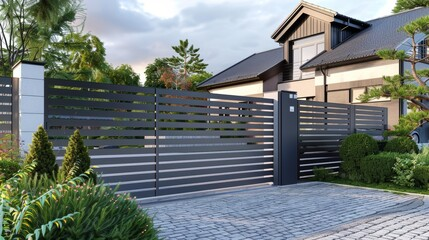
Custom metal gates are individually designed entry systems made from materials such as steel, aluminum, or iron. Unlike standard options, these gates are built to match specific dimensions, design preferences, and functional requirements. This level of customization allows property owners to create a gate that fits seamlessly with the surrounding architecture.

The purpose of a metal gate extends beyond controlling access. It provides security, defines boundaries, and contributes to the visual identity of a property. With custom fabrication, every detail can be adjusted, from the size and shape to the finish and decorative elements.

This adaptability makes custom metal gates suitable for a wide range of applications, from residential entrances to commercial properties.

Types of Metal Used in Custom Gates

The choice of metal plays a significant role in the performance and appearance of a gate. Steel is a popular option due to its strength and durability. It can withstand heavy use and provide a high level of security when properly maintained.

Aluminum is another common choice, valued for its lightweight nature and resistance to corrosion. This makes it particularly suitable for outdoor environments where exposure to moisture is a concern. Iron, especially in decorative designs, offers a classic and elegant look with the ability to incorporate intricate patterns.

Selecting the right material depends on factors such as climate, maintenance preferences, and desired aesthetics. Each type of metal offers unique advantages that influence the final result.

Design Options and Customization

One of the most appealing aspects of custom metal gates is the wide range of design possibilities. From simple and modern styles to elaborate and decorative patterns, customization allows for a truly unique creation. Designs can include geometric shapes, ornamental details, or a combination of materials such as glass or wood.

The size and structure of the gate can also be tailored to fit specific needs. Single swing, double swing, and sliding gates are common configurations, each offering different benefits depending on the space available and how the gate will be used.

Finishes add another layer of customization. Options such as matte, gloss, or textured coatings can enhance both appearance and durability. These choices allow the gate to complement the overall design of the property.

Fabrication Process

The fabrication of custom metal gates involves several precise steps. It begins with design planning, where measurements and specifications are established. This stage ensures that the gate will fit perfectly and function as intended.

Once the design is finalized, the metal is cut and shaped according to the specifications. Welding is often used to assemble the components, creating a strong and stable structure. Attention to detail during fabrication is essential for achieving a high quality result.

After assembly, the gate may undergo finishing treatments such as painting or coating. These treatments not only enhance the appearance but also protect the metal from environmental factors.

Installation and Functionality

Proper installation is critical to the performance of a custom metal gate. The gate must be aligned correctly and securely mounted to ensure smooth operation. This includes setting posts, attaching hinges or tracks, and testing the movement of the gate.

Functionality is an important consideration. Gates can be designed for manual operation or equipped with automated systems for added convenience. Automation allows for easy access and can include features such as remote controls or sensors.

Ensuring that the gate operates smoothly and reliably is essential for both usability and safety. A well installed gate provides consistent performance over time.

Security Benefits of Metal Gates

One of the primary reasons for installing a custom metal gate is to enhance security. Metal gates create a physical barrier that helps control access to a property. Their strength makes them difficult to breach, providing an added layer of protection.

Customization allows for additional security features, such as reinforced frames or integrated locking systems. The design can also be adjusted to limit visibility while still maintaining an attractive appearance.

Security is not only about protection but also about peace of mind. A well designed gate helps create a sense of safety for those inside the property.

Maintenance and Longevity

Maintaining a custom metal gate is important for preserving its appearance and functionality. Regular cleaning helps remove dirt and debris that can affect the finish. Protective coatings may need to be reapplied over time to prevent corrosion.

The level of maintenance required depends on the type of metal used. Aluminum typically requires less upkeep, while steel and iron may need more attention to prevent rust. Periodic inspections can help identify any issues early, allowing for timely repairs.

With proper care, custom metal gates can last for many years. Their durability makes them a long term investment that continues to provide value.

Applications in Different Settings

Custom metal gates are used in a variety of settings. In residential properties, they serve as entry points that enhance both security and curb appeal. In commercial environments, they help control access and protect assets.

Industrial applications often require gates that can withstand heavy use and challenging conditions. Custom designs can address these needs by incorporating features that improve durability and functionality.

Outdoor installations benefit from materials and finishes that resist weather conditions. This ensures that the gate remains effective and visually appealing over time.

Trends in Custom Metal Gate Design

Modern trends in custom metal gates often focus on combining functionality with clean, contemporary design. Minimalist styles with simple lines and open patterns are popular choices. These designs create a modern look while maintaining visibility and airflow.

There is also a growing interest in integrating technology. Automated systems and smart features add convenience and improve usability. These advancements allow gates to adapt to modern lifestyles.

Customization continues to drive innovation, enabling unique designs that reflect personal style and architectural trends.

Final Thoughts

Custom metal gates offer a powerful combination of security, durability, and design flexibility. From material selection to fabrication and installation, each step contributes to creating a gate that meets specific needs and enhances the overall property. Their ability to blend functionality with visual appeal makes them a valuable addition to any space.

Understanding the options available and the factors involved in choosing a custom metal gate helps ensure a successful outcome. With thoughtful design and proper maintenance, these gates can provide lasting performance and style. In the end, a custom metal gate is more than just an entrance. It is a statement of quality, protection, and individuality.
Roofing

What You Need to Know About Roof Repair

A skilled roofer can examine the entire roof structure and document damage to support an insurance claim. This helps you get the best repair solution for your roof.

Leaks, rot, and structural damage indicate the need for a replacement. However, if the damage is localized, a repair may be sufficient.

Roof Repair

The cost of roof repair varies widely depending on the scope of work needed. The severity of the damage, location, and the type of roofing material can all affect the final price. Homeowners can often reduce costs by completing minor repairs as quickly as possible, taking advantage of quieter seasonal weather, and understanding their insurance coverage options.

The level of damage also plays a role in determining whether a roof replacement is needed or not. A thorough inspection by a professional can help homeowners determine the best course of action. If the damage is widespread or extensive, replacement may be the only option.

Minor repairs include patching small holes, replacing missing shingles, and repairing clogged gutters. This is the most affordable way to address common issues. The average cost for these repairs ranges from $150 to $500. The cost can increase if the problem is more severe, such as repairing water damage or structural damage caused by a sagging roof.

Moderate repairs are broader in scope than minor fixes, and involve the replacement of a few shingles or addressing recurring leaks. These repairs can be more costly than minor fixes because they require more time and labor. Some examples of moderate repair projects include removing ice dams, unclogging gutters, or repairing flashing. They can also involve repairing rotted sections of the underlayment or plywood decking.

Severe repairs involve the replacement of large sections of the roof or extensive shingle repair, and are usually required after serious storm damage or when leaks have been ignored for a long period of time. These repairs can be expensive because they require significant labor and specialized safety equipment.

The size of the roof and the difficulty of accessing it can also impact the cost. A larger roof with a steep slope or multi-level design is more expensive to work on than an average shingle roof. It’s also important to factor in waste disposal fees, as most contractors charge for the removal of discarded materials. These fees are usually included in the overall estimate for the project.

Materials

When repairing storm damage, it’s essential to use materials that are compatible with your roof. This not only helps ensure a long-lasting repair but also keeps your home safe and comfortable. There are many different roofing materials to choose from, including asphalt shingles, EPDM rubber, TPO, PVC, and built-up roofing (BUR). Each of these options offers unique advantages. To find the right one for your home, consider the type of damage, location, and climate.

For example, if you have a wood shake roof that requires repairs due to rot or insect infestation, you may need to remove the damaged material and replace it with new plywood or oriented strand board (OSB). You will also need to install proper flashing and underlayment to prevent leaks.

The best way to evaluate your roof for potential issues is to conduct a visual inspection. Look for cracks, blistering, ponding water, and damaged flashing. Also check the condition of the gutters and drains to ensure proper water drainage. If possible, use a moisture meter to detect hidden dampness within the roofing layers.

Before proceeding with any repairs, make sure to properly prepare the worksite. Start by removing any debris that has collected on the roof surface and in the gutters. Next, clean the roof surface with a manufacturer-recommended cleaner and allow it to dry thoroughly. If necessary, use a utility knife to carefully cut away any blistered areas. Finally, seal the edges of the blistered area with a high-quality roof membrane.

Taking the time to regularly perform maintenance and inspections will help prevent problems and costly repair bills. Be sure to clear debris from gutters and drains, improve the slope of the roof if needed, and trim overhanging branches that can cause damage or block drainage systems. In addition, routine cleaning and maintenance tasks like removing leaves and replacing damaged flashing can prevent leaks and promote the health of your roof.

Installation

The roof repair process involves installing a variety of different items to restore and protect the structure. These include shingles, flashing, and decking. Roofing professionals may also install additional drainage points, change the slope of the roof to prevent future ponding, and add insulation.

A comprehensive inspection of the roof should be conducted by a trusted contractor before any work begins. They should be able to find and document the source of leaks, as well as identify any other areas that need attention. They should also be able to provide you with a detailed report and estimate of the cost of repairs.

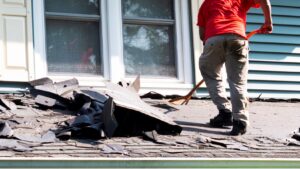
Once the inspection is complete, the roofer can begin repairing any damage to the roof. This includes addressing loose or missing shingles and securing any nails. It also includes removing any debris and ensuring that the roof is waterproof and airtight. A good roofer should also inspect and clean gutters, as clogged ones can lead to water backup and damage the roof and fascia. They should also trim any overhanging branches that could fall on the roof or provide access for pests.

Roof repair can be a lengthy process, and it is important to choose a trustworthy and experienced roofing contractor. Make sure that they have the proper licensing and insurance to perform the job, and ask for a contract with a clear timeline and cost for materials and labor. A contract should also cover any potential change orders and payment details.

The level of damage to the roof also plays a significant role in determining whether a replacement or repair is needed. Localized issues like a few leaking spots or minor flashing damage can be addressed with repairs. However, extensive damage or sagging sections of the roof may require a replacement.

Some homeowners may need to replace their entire roof if it is beyond repair or the structural integrity of the building has been compromised. This can be particularly true if the house is located in an area with frequent storms, heavy rains, and high winds. In these cases, a replacement can be more cost-effective and provide greater durability and safety.

Insurance

Roof repair can be expensive, but insurance coverage helps shield property owners from significant out-of-pocket expenses. Most homeowner’s policies will cover repairs for damage caused by severe weather, fire, or falling debris. Those who own businesses can also invest in commercial roof insurance to safeguard their investment and continue operating with minimal disruption. While the specifics of each policy vary, there are some general rules that apply to most insurance coverage plans.

Typically, the insurance company will reimburse homeowners for the cost of roof repair after paying out the policy’s deductible and up to the policy’s coverage limits. This helps avoid major out-of-pocket costs, making it a wise option for those who are considering roof repair or replacement.

Before filing a claim, it’s important to perform a thorough inspection of the damage. A professional roofer should be able to assess the condition of the roof and identify any problem areas. They can also document the damage with detailed photos or videos. In most cases, the insurance company will require these documentation before approving a claim.

Homeowner’s policies will cover the cost of a new roof or repair costs for existing roof damage, but this depends on the specific language of the policy. Some insurers exclude certain types of damage, including general wear and tear or neglect. Others will only cover damage that is a result of a covered peril, like severe weather or fire.

Insurance professionals can help homeowners navigate the maze of homeowner’s insurance policies and identify potential protections. They can also offer tips on how to file effective claims and maximize coverage benefits. This includes identifying the type of damage, determining what is covered, and negotiating with insurance adjusters.

Whether you need to address minor leaks or a full-scale roof replacement, it’s important to make timely repairs and file an insurance claim as soon as possible. Procrastinating can lead to costly delays and additional damages. Taking the time to prepare a claim and provide evidence of damage will strengthen your position when negotiating with an insurance adjuster. Having multiple quotes and documentation can also help you get the best settlement.