Pest Control

Commercial Pest Control Services and Their Role in Facility Maintenance

Maintaining a clean, safe, and efficient commercial environment requires more than routine cleaning and structural upkeep. One of the most critical yet often overlooked aspects of facility maintenance is pest control. Whether managing office buildings, food production facilities, warehouses, or retail spaces, pests can quickly compromise operations, damage reputations, and create serious health risks.

Commercial Pest Control Grapevine TX services play a vital role in preventing infestations, protecting infrastructure, and ensuring compliance with health and safety standards. Understanding how these services function and why they matter can help business owners and facility managers develop smarter long-term maintenance strategies that keep operations running smoothly.
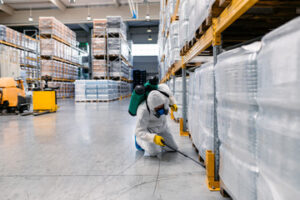
pest control

Commercial environments are particularly vulnerable to pest activity because they typically offer abundant food sources, shelter, and consistent human activity. High foot traffic, storage areas, waste management systems, and complex building layouts create ideal conditions for pests to thrive unnoticed. Unlike residential properties, commercial facilities must adhere to stricter sanitation requirements and regulatory guidelines, making pest management a key component of operational success. Professional pest control services address these challenges through targeted inspection, prevention strategies, and ongoing monitoring designed to minimize risks while supporting the broader goals of facility maintenance.

One of the most important aspects of commercial pest control is proactive inspection. Rather than waiting for visible signs of infestation, trained technicians conduct routine assessments to identify vulnerabilities before they escalate into larger problems. These inspections often focus on entry points, moisture-prone areas, storage zones, and waste disposal systems, all of which can attract pests if not properly maintained. By identifying risks early, facility managers can reduce the likelihood of costly disruptions and avoid potential damage to equipment, inventory, or structural components. Regular inspections also allow businesses to maintain consistent documentation, which can be valuable for audits and compliance requirements.

Another key element of commercial pest control services is the development of customized treatment plans tailored to specific industries and building types. No two facilities operate exactly the same, which means pest control strategies must be flexible and adaptive. For example, a food-handling environment requires a different approach than a warehouse or office complex. Professionals consider factors such as building size, operational hours, environmental conditions, and the types of pests commonly associated with the industry. This level of customization ensures that pest control efforts align with daily operations without causing unnecessary disruption to staff or customers.

Effective pest management also relies heavily on integrated prevention strategies rather than reactive solutions. Preventive measures are designed to eliminate the conditions that attract pests in the first place, creating a more sustainable approach to facility maintenance. These strategies often involve collaboration between pest control specialists and maintenance teams, ensuring that structural repairs, sanitation practices, and environmental adjustments work together to reduce pest pressure. Some of the most common preventive actions include:

  1. Sealing cracks, gaps, and openings that allow pests to enter buildings.
  2. Improving waste management practices to reduce food sources and odors.
  3. Adjusting lighting and landscaping to minimize pest attraction near entryways.
  4. Implementing proper storage techniques that prevent contamination.

By focusing on prevention, businesses can significantly reduce the frequency of treatments and maintain a more stable environment over time.

Commercial pest control services also play a critical role in protecting brand reputation. In today’s connected world, even a single pest sighting can lead to negative reviews, customer complaints, or social media attention that damages trust. Facilities that prioritize pest management demonstrate a commitment to cleanliness and professionalism, which can influence customer perception and employee confidence. A well-maintained pest control program not only addresses immediate risks but also reinforces a company’s image as a responsible and reliable organization.

Health and safety considerations are another major reason why commercial pest control is essential. Many pests carry bacteria, allergens, or pathogens that can pose serious risks to employees and visitors. In certain environments, such as food production or healthcare-related facilities, pest activity can lead to contamination and regulatory violations. Professional pest control services help reduce these risks by implementing safe treatment methods and monitoring systems that align with industry standards. Technicians are trained to apply products responsibly and minimize exposure while maintaining effectiveness, ensuring that pest control measures support both safety and operational continuity.

In addition to health concerns, pests can cause significant structural and financial damage if left unchecked. Rodents may chew through wiring and insulation, insects can compromise wooden structures, and certain species can damage stored goods or equipment. These issues often develop gradually, making them difficult to detect without professional oversight. Regular pest control services help identify early warning signs, allowing facility managers to address problems before they escalate into costly repairs or downtime. This preventive approach contributes directly to long-term facility maintenance by preserving the integrity of buildings and infrastructure.

Technology has also transformed modern commercial pest control practices. Many service providers now use digital monitoring tools, data tracking systems, and remote sensors to detect activity and measure trends over time. These innovations allow facility managers to make data-driven decisions and adjust maintenance strategies based on real-time insights. Instead of relying solely on manual inspections, technology-enhanced pest control programs provide a more accurate picture of pest behavior and risk levels. This level of transparency helps businesses maintain accountability while optimizing their overall maintenance plans.

Another benefit of professional pest control services is employee education and collaboration. Technicians often work alongside facility teams to provide guidance on sanitation practices, storage procedures, and environmental adjustments that reduce pest attraction. Educating staff about early warning signs and preventive habits can significantly enhance the effectiveness of pest management programs. When employees understand how their daily actions influence pest activity, they become active participants in maintaining a safer workplace environment. This collaborative approach strengthens the overall maintenance culture within an organization.

Commercial pest control is also closely tied to sustainability and environmental responsibility. Many businesses are seeking ways to reduce chemical usage and adopt eco-conscious practices without compromising effectiveness. Modern pest control programs often emphasize targeted treatments, non-chemical solutions, and habitat modification strategies that minimize environmental impact. By focusing on long-term prevention rather than excessive pesticide application, facilities can achieve a balance between effective pest management and responsible environmental stewardship. This shift reflects a broader trend toward sustainable facility maintenance practices that prioritize health, efficiency, and resource conservation.

When evaluating the role of commercial pest control within facility maintenance, it is helpful to consider the broader operational benefits that extend beyond pest elimination. A well-structured program contributes to smoother workflows, reduced liability risks, and improved compliance with industry standards. Some of the key advantages include:

  1. Enhanced workplace safety and reduced health hazards.
  2. Protection of inventory, equipment, and structural assets.
  3. Improved compliance with sanitation and regulatory guidelines.
  4. Increased confidence among employees, clients, and stakeholders.

These benefits demonstrate that pest control is not just a reactive service but a strategic investment in long-term operational success.

Communication between pest control providers and facility managers is another crucial factor in achieving consistent results. Regular reporting, transparent documentation, and clear maintenance recommendations allow businesses to stay informed about pest activity and treatment outcomes. Detailed service reports often include inspection findings, identified risks, and suggestions for improving facility conditions. This level of communication ensures that pest control efforts align with broader maintenance goals and allows decision-makers to prioritize repairs or adjustments that support long-term protection.

As commercial spaces continue to evolve, pest control services must adapt to new challenges and industry demands. Changes in building design, climate patterns, and consumer expectations can all influence pest behavior and risk levels. Facilities that integrate pest management into their overall maintenance strategy are better equipped to respond to these shifts. Instead of treating pest control as a standalone service, forward-thinking organizations view it as an essential component of preventive maintenance that supports efficiency, safety, and sustainability.

In conclusion, commercial pest control services play a vital role in maintaining safe, functional, and professional environments across a wide range of industries. From proactive inspections and customized treatment plans to preventive strategies and employee education, these services contribute directly to long-term facility maintenance. By addressing pest risks before they escalate, businesses can protect their reputation, safeguard health standards, and reduce costly disruptions. Investing in a comprehensive pest control program is not just about eliminating pests; it is about creating a resilient maintenance strategy that supports growth, stability, and operational excellence over time.

Water Damage Restoration

How Much Do Cleaning Services Cost?

Knowing what factors into the cost of cleaning services helps you budget accurately. Standard cleanings cover vacuuming, mopping, dusting surfaces, sanitizing bathrooms, and kitchen wipe-downs.

Recurring cleanings tend to cost less per visit than one-time appointments. They also save time by focusing on maintaining what’s already clean rather than tackling months of buildup. Contact Cleaning Services Salt Lake City for more details.

cleaning services

Size of Your Space

A few factors affect how much it costs to clean your space, but the size of your home or office is usually the biggest driver. Most cleaners charge by room count to give customers a straightforward estimate, and rates vary between standard maintenance cleaning and deep cleaning. Large homes take more time and supplies to clean, so they’ll usually cost more than smaller properties.

The type of service you book also influences price. A standard cleaning focuses on keeping your space tidy, while a deep clean goes above and beyond with services like cleaning baseboards, inside cabinetry, and other hard-to-reach spots. Maintaining a well-maintained home takes less time than tackling heavy buildup, so standard cleanings typically run cheaper than deep cleanings.

Many cleaning companies offer hourly and flat-rate pricing. Hourly rates are more flexible and allow you to customize your service based on your needs, but the final cost depends on how long it takes for cleaners to complete the job. Flat-rate prices are more predictable and include a set fee for your cleaning before the cleaner arrives. This method works best for homes and offices that require consistent services, as it eliminates the guesswork about how long a job will take.

Some cleaners also charge extra fees for special requests or services, such as pet-friendly cleaning or specialized equipment. While these fees aren’t universal, it’s important to ask about them before booking so you can factor them into your budget. Additionally, last-minute or urgent bookings may incur additional charges to cover cleaners’ transportation, cleaning materials, and other overhead.

Frequency of Service

Many cleaning services charge a flat rate for standard cleanings that might include dusting, vacuuming, mopping, bathroom sanitizing, and kitchen wipe-downs. These rates vary based on room size and number of bathrooms, and many cleaners might add an additional fee for homes with pets. Pets are messy and require special attention to stains, fur, and odors. Additionally, larger homes often take more time to clean due to their square footage and layout.

Some companies might offer recurring cleanings that provide better value than one-time cleanings. These recurring rates might be weekly or biweekly and can save clients money in the long run, since regular work usually takes less time per visit than sporadic ones. Additionally, some cleaners might provide discounts to recurring clients to encourage them to book regularly.

Pricing for deep cleaning or move out cleaning services can also vary a lot. These are much more thorough cleans and can cost 50%-100% more than standard cleanings. This is because the extra time required to thoroughly scrub and wipe down baseboards, vents, and inside appliances significantly increases the overall price. Additionally, cleaners may need to rent specialized equipment or tools for these types of jobs and might also add a surcharge for homes with pets (due to shedding, odors, and extra hair).

Cleaning rates might vary by location as well. Prices in high-demand areas like Manhattan might be more expensive than in less populated regions. Additionally, local costs and demand might affect the total cleaning service cost, as cleaners might have to pay for supplies and transportation in addition to their wages.

Knowing what influences cleaning services costs can help you find a trustworthy cleaner or establish an accurate pricing model for your own company. By browsing different Taskrabbit rates and understanding what goes into the price of a professional cleaning, you can make an informed decision that fits your specific needs.

Type of Cleaning

Depending on the type of cleaning you need, your price will fluctuate. Whether you are looking for a routine refresh, a spring clean, or help getting your home ready to be shown off, the scope of work will play a role in the total cost.

How much time it takes to clean also impacts the overall labor costs. Larger spaces take longer to clean and can require specialized equipment or products. Similarly, homes with multiple bathrooms or a lot of furniture can be more time consuming to tidy and sanitize. In addition, some homes may have pets or odors that require more thorough cleaning than others.

When setting your prices, consider the average time it takes for your cleaners to complete a job and how long you want to keep them on site. This will help you manage customer expectations while maintaining profitability and efficiency. You can also offer discounts or package deals for regular or recurring service to attract and retain clients.

Your location in NYC can also impact your pricing, especially if you live or operate in a high-demand area like Manhattan. Higher living costs and higher demand mean that you will have to charge more for your services than you would in a less expensive neighborhood.

Finally, the type of cleaning you provide can affect your pricing. For example, deep cleaning is often more costly than a standard clean because it involves more detailed work such as dusting baseboards, scrubbing vents, and wiping down inside appliances. You can also add on extra services such as window washing or carpet cleaning for an additional fee. When calculating your prices, be sure to include all of your labor and product costs, as well as any overhead or marketing expenses you need to cover. You should then add in a profit margin based on your goals and target market. For instance, you might want to set your profit at 30% or 50% of your total sales. Using a task management tool like Housecall Pro will allow you to track billable hours and job costs so that you can ensure that your pricing is covering all of your costs and generating a healthy profit.

Additional Fees

The cost of supplies and equipment can also impact the overall price of cleaning services. Some companies choose to buy their own cleaning products and equipment, which saves on labor costs while ensuring they use high-quality products. Others opt to rent their cleaning products to customers, which can increase prices but ensures the right amount of equipment is available for every job. Finally, travel time and parking can add up for cleaners who service locations in remote areas.

Choosing the right pricing strategy for your cleaning company is key to growing and retaining clients. Keeping in mind local market rates, customer expectations, and your own operating costs helps you set fair prices that support profitability and growth.

Many cleaning businesses charge by the hour, but it’s important to consider the total time required to complete the task. The size of the space is an obvious factor that affects how much time it will take to clean, but you must also think about the layout and number of rooms.

For example, a large home with a complex floor plan requires more time to clean than a smaller home with an easy-to-move-around layout. You may also need to factor in the presence of pets or other household members, which can affect how much it will take to tidy and vacuum.

The depth of cleaning can also make a difference in how much it will cost to have your space cleaned. Standard cleaning includes dusting, vacuuming, and mopping, while a deep clean involves more in-depth scrubbing, including hard-to-reach areas like inside ovens and refrigerators. Some cleaning services also offer specialized tasks like window cleaning or pet hair removal for an additional fee.

The best way to calculate the total cost of cleaning services is to use a cleaning management software that allows you to create detailed estimates and track the time and resources spent on each job. By using a tool that simplifies the process, you’ll be able to build trust with your clients while ensuring that all of your business expenses are accurately accounted for.

Concrete Services

Concrete Maintenance Tips to Prevent Cracking and Damage

Denver Concrete Company

Concrete is a durable and versatile material, but it’s not immune to environmental stresses that can cause cracking and damage. A proactive approach to maintenance can help reduce the need for costly repairs and extend the lifespan of concrete surfaces.

Concrete Company cleaning helps prevent dirt buildup, and mending small surface cracks promptly can prevent them from expanding into larger cracks. Sealing, waterproofing and other concrete maintenance tips can also help prevent cracks.

Sealing

Concrete that isn’t sealed is highly susceptible to damage from moisture, stains, chemicals, and general wear and tear. Whether it’s a brand-new patio, an older driveway, or a commercial concrete floor, sealing your concrete will help it last longer and resist damage.

Sealing concrete provides a buffer between the concrete and whatever elements or wear it is exposed to, and it makes the concrete easier to clean. It also preserves the aesthetics of concrete, preventing discoloration and stains, and it can enhance the color of concrete surfaces. In addition, concrete that is properly sealed can be resistant to the effects of salt and deicing chemicals, which can corrode and stain concrete.

Before sealing, it’s important to prepare the concrete surface by cleaning it thoroughly. This is especially critical in areas that are exposed to vehicles or pedestrian traffic, where oil and other debris can accumulate. The surface must be scrubbed or sanded to remove any stains and make sure that the concrete is clean before the sealant is applied. It is also necessary to ensure that water drains away from the concrete, as excess water can cause puddling and increase the risk of freeze-thaw damage.

There are two main types of sealers – penetrating and film-forming – and the type that you choose will depend on what you’re using the concrete for and what you want it to stand up to. Penetrating sealers absorb into the pores of the concrete and chemically react with them, making it repel water and other damaging substances. Film-forming sealers give the concrete a shiny finish and can be used to enhance the color of the concrete, especially decorative concrete.

Once the sealer is applied, it’s important to maintain it regularly to protect your concrete for as long as possible. In addition to a regular cleaning routine, it’s important to keep an eye out for any signs of cracking and to repair them as quickly as possible. It’s also a good idea to use entry mats in high-traffic areas and to avoid spraying deicing or salt chemicals on the concrete, as these can erode and damage both the sealer and the concrete underneath it.

Waterproofing

Concrete is an incredibly durable material, but even it’s not impervious to water damage. Without proper concrete maintenance, water can seep into concrete surfaces and cause cracks and deterioration over time. One way to prevent this is to waterproof concrete. You can do this by applying a concrete patching compound, which will bond securely with the surface and provide a strong barrier against moisture. Another way to waterproof concrete is by adding an integral waterproofing agent during the mixing process. The exact method will vary between products and concrete mixes, so be sure to follow the manufacturer’s instructions carefully.

Proper drainage is also important to protect concrete surfaces from water damage. This can be accomplished by installing a well-designed drainage system and maintaining adequate grading. It is also a good idea to regularly inspect the soil around concrete slabs and add or remove soil as needed.

Inspect the concrete for pests, such as chipmunks or other burrowing animals, that could be causing voids and eroding the support of the slab. This can lead to long-term structural damage and settling of the slab.

During the winter, concrete is especially vulnerable to freeze-thaw damage. This occurs when water seeps into the porous concrete and then freezes. The expansion of the water causes internal pressure which can eventually cause cracks and spalling (surface flaking). You can prevent this by using alternative de-icers, such as sand, and removing snow promptly after each storm.

Inspect and repair any existing cracks in concrete surfaces. Small cracks can be filled with a concrete patching compound, and larger cracks may require more extensive repairs. There are several methods for repairing concrete cracks, including routing and fill, clean and fill, and epoxy injection.

Waterproofing your concrete will enhance its performance and longevity. This will slow down the deterioration of the concrete and make it more resistant to staining from mildew and mold. In addition, it will help prevent water damage from ice dams and other common problems caused by cold weather. To waterproof concrete, apply a coat of water-resistant sealer to the surface and allow it to dry according to the manufacturer’s instructions.

Cleaning

Concrete is one of the most durable materials available, but it can be damaged by improper installation and the effects of freezing and thawing. Fortunately, there are many ways to protect your commercial or residential concrete from damage and keep it looking its best for years to come.

Adding a high-quality penetrating sealer to your concrete will create an invisible barrier against water, salts, and other substances that can damage the surface. The sealant will also help prevent moisture infiltration, which can lead to cracking and spalling (surface flaking). It’s important to reapply the concrete sealer every 1 – 2 years to ensure maximum protection.

Regular cleaning and inspection can also prevent the occurrence of cracks. To clean concrete, start by sweeping away any dirt and debris with a sturdy broom. Then hose down the concrete, making sure to wet any surrounding landscaping as well. Work in a shaded area, as sunlight will dry the concrete too quickly. Scrub the concrete with a soft brush or broom, using a pH-neutral cleaner if possible. If your concrete is stained, avoid using harsh chemical cleaners as they will weaken the color. Rinse the concrete and scrubbed areas with clean water, avoiding scrubbing too vigorously, as this can cause surface damage.

If you notice any small cracks in the concrete, fill them immediately to prevent them from expanding and damaging the surface. A crack filler or caulk designed for concrete will do the trick, as long as you apply it immediately after cleaning.

Keeping your concrete free of cracks, chipping, and stains is the best way to get the most use out of your investment. Whether you’re installing a patio, driveway, or basketball court, concrete is a versatile material that can add value to your property and last for decades with proper care. By following these concrete maintenance tips from Frontier Foundation & Crawl Space Repair, you can make your concrete last longer and enjoy it for years to come.

Maintenance

Concrete is known for its strength and durability, but it’s important to protect these structures from preventable damage. Performing routine maintenance, such as cleaning, sealing, and caulking, is key to maintaining the longevity of concrete surfaces. Proper care can also extend the lifespan of concrete structures, saving property owners on expensive repairs or replacements down the road.

Regular inspections are an essential part of concrete maintenance, as they help identify early signs of wear and deterioration. By identifying and addressing small problems, such as surface cracks or spalling, concrete structures can be prevented from escalating into major issues that require costly repairs or replacements.

Waterproofing and sealing concrete helps protect against moisture infiltration, which is a leading cause of concrete damage. Regular cleaning and reapplication of sealers can further prolong their lifespan and help protect against the penetration of chemicals or stains. Moisture-trapping items, such as doormats or furniture, should be moved away from concrete surfaces, and grading should be designed to drain excess water from the area surrounding concrete structures.

When pouring new concrete, incorporating materials like steel rebar or wire mesh can reduce the stress on concrete slabs and reduce the risk of cracking. Using high-strength mixes can also help increase the durability of concrete and reduce its vulnerability to cracking. Additionally, incorporating control and expansion joints in concrete slabs can help manage where cracking occurs.

Using alternatives to salt for de-icing snow and ice management can also help protect concrete from damage. Salt can corrode the surface of concrete, increase freeze-thaw cycles, and lead to surface spalling. Using alternative de-icing products, such as sand, can help prevent these negative effects.

It’s also important to avoid dragging or dropping heavy objects on concrete, as this can damage and dislodge surface mortar. Additionally, removing roots that have grown into and around concrete structures can prevent the cracking and shifting of concrete over time.

Taking the time to perform basic concrete maintenance practices can significantly extend their lifespan and enhance their appearance, helping them look as good as they did when they were brand-new. By following these basic tips, concrete structures can serve their intended purposes and contribute to the beauty of residential and urban environments for years to come.