Landscaping Services

Landscaping Services: The Ultimate Guide to Transforming and Maintaining Beautiful Outdoor Spaces

Landscaping Services

Step outside your front door and imagine being greeted by vibrant greenery, neatly trimmed lawns, colorful flowers in full bloom, and a welcoming pathway that invites you in. The outdoor space surrounding a home has the power to shape first impressions, influence mood, and even increase property value. Yet achieving and maintaining that level of beauty takes more than occasional mowing or planting a few shrubs.

Professional Landscaping Services Honolulu HI provide the expertise, creativity, and consistency needed to transform ordinary yards into stunning and functional outdoor environments.

What Landscaping Services Include

Landscaping services encompass a broad range of tasks designed to enhance and maintain outdoor spaces. While many people associate landscaping with lawn mowing or planting flowers, the scope of services goes far beyond basic yard work. A comprehensive landscaping service may include design planning, plant installation, irrigation setup, hardscape construction, seasonal cleanup, and ongoing maintenance.

Landscape design is often the first step. This phase involves evaluating the property, understanding the client’s goals, and creating a plan that balances aesthetics with functionality. Designers consider factors such as soil quality, drainage patterns, sun exposure, and the natural contours of the land. These details influence plant selection, layout, and structural features.

Installation services bring the design to life. This may involve planting trees, shrubs, and flowers, laying sod, constructing garden beds, and installing irrigation systems. Hardscaping elements such as patios, walkways, and retaining walls may also be included in the process. Once the project is complete, maintenance services ensure the landscape continues to thrive and look its best throughout the year.

The Benefits of Professional Landscaping

Hiring professional landscaping services offers numerous advantages that extend beyond visual appeal. One of the most significant benefits is increased property value. A well designed and maintained landscape enhances curb appeal and can make a strong impression on potential buyers. Even for homeowners who do not plan to sell, a beautiful yard contributes to a sense of pride and enjoyment.

Professional landscapers bring specialized knowledge that helps prevent common issues. They understand which plants are best suited for specific soil types and climate conditions. They also know how to address drainage challenges, prevent erosion, and promote healthy plant growth. This expertise reduces the risk of costly mistakes and ensures long term success.

Another important benefit is time savings. Maintaining a yard requires consistent effort, from mowing and trimming to fertilizing and watering. For homeowners with busy schedules, outsourcing these tasks to professionals allows them to enjoy their outdoor space without the stress of ongoing upkeep.

Landscaping services also improve functionality. Thoughtfully designed outdoor areas create spaces for relaxation, entertainment, and recreation. Whether it is a quiet garden retreat or a spacious patio for gatherings, professional landscaping transforms unused areas into purposeful environments.

Landscape Design and Planning

Effective landscaping begins with careful planning. Landscape design is not simply about arranging plants in attractive patterns. It involves creating a cohesive layout that complements the architecture of the home and meets the practical needs of the property.

Designers start by assessing the site. They examine soil composition, slope, drainage, and existing vegetation. Understanding these elements helps determine what modifications are necessary before installation. For example, poor drainage may require grading adjustments or the installation of drainage systems to prevent water accumulation.

Plant selection is another critical component of design. Professionals consider factors such as growth rate, mature size, maintenance requirements, and seasonal color changes. Selecting plants that thrive in the local climate ensures durability and reduces maintenance demands.

Hardscape features are integrated into the design to provide structure and usability. Patios, walkways, seating areas, and decorative walls define different zones within the yard. These elements create balance between softscape features like plants and grass and solid surfaces that support daily use.

Sustainability is increasingly important in modern landscape design. Many homeowners seek eco friendly solutions such as native plants, efficient irrigation systems, and permeable paving materials. These choices conserve resources while maintaining visual appeal.

Lawn Care and Maintenance Services

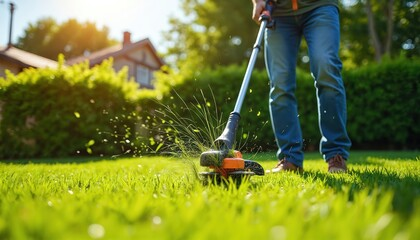
Once a landscape is installed, regular maintenance is essential to preserve its health and appearance. Lawn care services form the foundation of ongoing landscaping support. Routine mowing, edging, and trimming keep grass neat and encourage even growth.

Fertilization and soil treatments provide nutrients that promote strong root development. Aeration helps relieve soil compaction, allowing water and nutrients to penetrate more effectively. Weed control measures prevent invasive plants from overtaking lawns and garden beds.

Seasonal maintenance plays a significant role in landscape health. In the spring, professionals prepare the yard for new growth by pruning plants and clearing debris. During the summer, they monitor irrigation systems and address heat related stress. Fall services may include leaf removal and preparing plants for cooler temperatures. Winter maintenance focuses on protecting vulnerable vegetation from harsh conditions.

Consistent care not only preserves beauty but also prevents minor issues from becoming major problems. Early detection of pests, disease, or drainage concerns allows for prompt intervention and reduces long term damage.

Hardscaping and Outdoor Living Enhancements

Landscaping services often extend to hardscaping projects that enhance both function and style. Hardscaping refers to the non living elements of a landscape, such as patios, pathways, driveways, and retaining walls. These features provide structure and improve usability.

A well designed patio creates an inviting space for outdoor dining or relaxation. Walkways guide movement through the yard and connect different areas seamlessly. Retaining walls help manage elevation changes and prevent soil erosion while adding visual interest.

Outdoor lighting is another valuable enhancement. Strategically placed lights illuminate pathways, highlight architectural features, and create ambiance in the evening. Lighting also improves safety by reducing dark areas around the property.

Water features such as fountains or small ponds introduce soothing sounds and a sense of tranquility. Fire pits and seating areas encourage social interaction and extend the usability of outdoor spaces into cooler seasons.

When hardscaping and softscaping are thoughtfully integrated, the result is a balanced environment that feels cohesive and inviting. Professional landscaping services ensure these elements are installed correctly and harmonize with the overall design.

Choosing the Right Landscaping Service

Selecting the right landscaping service requires careful research and consideration. Experience and expertise should be top priorities. Reviewing past projects provides insight into the quality of workmanship and design style.

Clear communication is essential for a successful partnership. A reliable landscaping professional listens to your goals, offers informed recommendations, and provides detailed proposals outlining the scope of work and associated costs. Transparency builds trust and sets realistic expectations.

It is also important to verify credentials and insurance coverage. Proper qualifications demonstrate professionalism and protect both the homeowner and the service provider during the project.

Comparing multiple estimates can help you understand pricing variations and determine value. While budget is an important factor, it should not be the sole deciding element. Quality materials, skilled labor, and long term reliability contribute significantly to overall satisfaction.

Building a long term relationship with a landscaping service offers ongoing benefits. As professionals become familiar with your property, they can anticipate maintenance needs and recommend enhancements that align with your vision.

Conclusion: Investing in Lasting Outdoor Beauty

Landscaping services provide far more than simple yard maintenance. They offer comprehensive solutions that transform outdoor spaces into beautiful, functional environments. Through thoughtful design, expert installation, and consistent care, professional landscapers enhance both the appearance and value of a property.

Whether you are seeking a complete landscape redesign or reliable maintenance for an existing yard, investing in professional landscaping services ensures lasting results. A well-maintained and thoughtfully designed outdoor space becomes an extension of the home, offering comfort, enjoyment, and pride for years to come.

Concrete Services

Concrete Maintenance Tips to Prevent Cracking and Damage

Denver Concrete Company

Concrete is a durable and versatile material, but it’s not immune to environmental stresses that can cause cracking and damage. A proactive approach to maintenance can help reduce the need for costly repairs and extend the lifespan of concrete surfaces.

Denver Concrete Company cleaning helps prevent dirt buildup, and mending small surface cracks promptly can prevent them from expanding into larger cracks. Sealing, waterproofing and other concrete maintenance tips can also help prevent cracks.

Sealing

Concrete that isn’t sealed is highly susceptible to damage from moisture, stains, chemicals, and general wear and tear. Whether it’s a brand-new patio, an older driveway, or a commercial concrete floor, sealing your concrete will help it last longer and resist damage.

Sealing concrete provides a buffer between the concrete and whatever elements or wear it is exposed to, and it makes the concrete easier to clean. It also preserves the aesthetics of concrete, preventing discoloration and stains, and it can enhance the color of concrete surfaces. In addition, concrete that is properly sealed can be resistant to the effects of salt and deicing chemicals, which can corrode and stain concrete.

Before sealing, it’s important to prepare the concrete surface by cleaning it thoroughly. This is especially critical in areas that are exposed to vehicles or pedestrian traffic, where oil and other debris can accumulate. The surface must be scrubbed or sanded to remove any stains and make sure that the concrete is clean before the sealant is applied. It is also necessary to ensure that water drains away from the concrete, as excess water can cause puddling and increase the risk of freeze-thaw damage.

There are two main types of sealers – penetrating and film-forming – and the type that you choose will depend on what you’re using the concrete for and what you want it to stand up to. Penetrating sealers absorb into the pores of the concrete and chemically react with them, making it repel water and other damaging substances. Film-forming sealers give the concrete a shiny finish and can be used to enhance the color of the concrete, especially decorative concrete.

Once the sealer is applied, it’s important to maintain it regularly to protect your concrete for as long as possible. In addition to a regular cleaning routine, it’s important to keep an eye out for any signs of cracking and to repair them as quickly as possible. It’s also a good idea to use entry mats in high-traffic areas and to avoid spraying deicing or salt chemicals on the concrete, as these can erode and damage both the sealer and the concrete underneath it.

Waterproofing

Concrete is an incredibly durable material, but even it’s not impervious to water damage. Without proper concrete maintenance, water can seep into concrete surfaces and cause cracks and deterioration over time. One way to prevent this is to waterproof concrete. You can do this by applying a concrete patching compound, which will bond securely with the surface and provide a strong barrier against moisture. Another way to waterproof concrete is by adding an integral waterproofing agent during the mixing process. The exact method will vary between products and concrete mixes, so be sure to follow the manufacturer’s instructions carefully.

Proper drainage is also important to protect concrete surfaces from water damage. This can be accomplished by installing a well-designed drainage system and maintaining adequate grading. It is also a good idea to regularly inspect the soil around concrete slabs and add or remove soil as needed.

Inspect the concrete for pests, such as chipmunks or other burrowing animals, that could be causing voids and eroding the support of the slab. This can lead to long-term structural damage and settling of the slab.

During the winter, concrete is especially vulnerable to freeze-thaw damage. This occurs when water seeps into the porous concrete and then freezes. The expansion of the water causes internal pressure which can eventually cause cracks and spalling (surface flaking). You can prevent this by using alternative de-icers, such as sand, and removing snow promptly after each storm.

Inspect and repair any existing cracks in concrete surfaces. Small cracks can be filled with a concrete patching compound, and larger cracks may require more extensive repairs. There are several methods for repairing concrete cracks, including routing and fill, clean and fill, and epoxy injection.

Waterproofing your concrete will enhance its performance and longevity. This will slow down the deterioration of the concrete and make it more resistant to staining from mildew and mold. In addition, it will help prevent water damage from ice dams and other common problems caused by cold weather. To waterproof concrete, apply a coat of water-resistant sealer to the surface and allow it to dry according to the manufacturer’s instructions.

Cleaning

Concrete is one of the most durable materials available, but it can be damaged by improper installation and the effects of freezing and thawing. Fortunately, there are many ways to protect your commercial or residential concrete from damage and keep it looking its best for years to come.

Adding a high-quality penetrating sealer to your concrete will create an invisible barrier against water, salts, and other substances that can damage the surface. The sealant will also help prevent moisture infiltration, which can lead to cracking and spalling (surface flaking). It’s important to reapply the concrete sealer every 1 – 2 years to ensure maximum protection.

Regular cleaning and inspection can also prevent the occurrence of cracks. To clean concrete, start by sweeping away any dirt and debris with a sturdy broom. Then hose down the concrete, making sure to wet any surrounding landscaping as well. Work in a shaded area, as sunlight will dry the concrete too quickly. Scrub the concrete with a soft brush or broom, using a pH-neutral cleaner if possible. If your concrete is stained, avoid using harsh chemical cleaners as they will weaken the color. Rinse the concrete and scrubbed areas with clean water, avoiding scrubbing too vigorously, as this can cause surface damage.

If you notice any small cracks in the concrete, fill them immediately to prevent them from expanding and damaging the surface. A crack filler or caulk designed for concrete will do the trick, as long as you apply it immediately after cleaning.

Keeping your concrete free of cracks, chipping, and stains is the best way to get the most use out of your investment. Whether you’re installing a patio, driveway, or basketball court, concrete is a versatile material that can add value to your property and last for decades with proper care. By following these concrete maintenance tips from Frontier Foundation & Crawl Space Repair, you can make your concrete last longer and enjoy it for years to come.

Maintenance

Concrete is known for its strength and durability, but it’s important to protect these structures from preventable damage. Performing routine maintenance, such as cleaning, sealing, and caulking, is key to maintaining the longevity of concrete surfaces. Proper care can also extend the lifespan of concrete structures, saving property owners on expensive repairs or replacements down the road.

Regular inspections are an essential part of concrete maintenance, as they help identify early signs of wear and deterioration. By identifying and addressing small problems, such as surface cracks or spalling, concrete structures can be prevented from escalating into major issues that require costly repairs or replacements.

Waterproofing and sealing concrete helps protect against moisture infiltration, which is a leading cause of concrete damage. Regular cleaning and reapplication of sealers can further prolong their lifespan and help protect against the penetration of chemicals or stains. Moisture-trapping items, such as doormats or furniture, should be moved away from concrete surfaces, and grading should be designed to drain excess water from the area surrounding concrete structures.

When pouring new concrete, incorporating materials like steel rebar or wire mesh can reduce the stress on concrete slabs and reduce the risk of cracking. Using high-strength mixes can also help increase the durability of concrete and reduce its vulnerability to cracking. Additionally, incorporating control and expansion joints in concrete slabs can help manage where cracking occurs.

Using alternatives to salt for de-icing snow and ice management can also help protect concrete from damage. Salt can corrode the surface of concrete, increase freeze-thaw cycles, and lead to surface spalling. Using alternative de-icing products, such as sand, can help prevent these negative effects.

It’s also important to avoid dragging or dropping heavy objects on concrete, as this can damage and dislodge surface mortar. Additionally, removing roots that have grown into and around concrete structures can prevent the cracking and shifting of concrete over time.

Taking the time to perform basic concrete maintenance practices can significantly extend their lifespan and enhance their appearance, helping them look as good as they did when they were brand-new. By following these basic tips, concrete structures can serve their intended purposes and contribute to the beauty of residential and urban environments for years to come.