Concrete is one of the most versatile and durable building materials used in construction today. From driveways and patios to commercial floors and industrial foundations, concrete plays a critical role in providing long-lasting structural integrity. However, achieving a high-quality concrete surface requires skilled craftsmanship, precise planning, and professional installation.
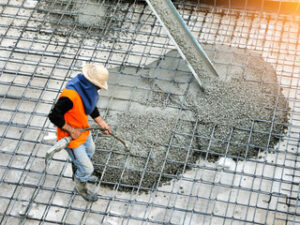
The Role of Professional Concrete Contractors
Concrete may appear simple, but its installation and finishing require careful attention to detail. Improperly mixed, poured, or cured concrete can result in cracks, uneven surfaces, or premature wear, reducing both functionality and lifespan. Professional concrete contractors are trained to handle every step of the process, from site preparation and formwork to pouring, finishing, and curing. Their expertise ensures that surfaces are strong, level, and able to withstand environmental stresses such as weather, heavy loads, and frequent use.
Contractors also provide guidance on the most suitable concrete mix and design for a specific project. Factors such as climate, load-bearing requirements, and aesthetic preferences influence the choice of concrete type, additives, and finishing techniques. By leveraging professional knowledge, property owners can achieve durable surfaces that meet both functional and visual expectations.
Benefits of Hiring Professional Concrete Contractors
Investing in professional concrete services offers numerous advantages over DIY installations or unskilled labor. Key benefits include:
- Durability and Longevity – Expertly installed concrete withstands heavy traffic, weather conditions, and daily wear and tear. Contractors ensure proper curing and reinforcement, reducing the risk of cracks, spalling, or structural failure.
- Enhanced Aesthetic Appeal – Concrete is highly versatile and can be finished in a variety of styles, including stamped, polished, colored, or exposed aggregate. Professional contractors use advanced techniques to create visually appealing surfaces that complement the overall design of the property.
- Cost-Effective Investment – While professional installation may involve upfront costs, it saves money in the long term by minimizing repairs, maintenance, and replacement needs. Durable concrete reduces the likelihood of costly structural issues down the line.
- Safety and Compliance – Contractors ensure that all concrete work meets building codes, safety standards, and load-bearing specifications. Properly installed surfaces reduce risks such as uneven slabs, trip hazards, or weak foundations.
- Time Efficiency – Skilled professionals complete projects efficiently, using specialized equipment and proven methods to minimize downtime and disruption. Homeowners and business owners benefit from timely project completion without compromising quality.
Applications of Professional Concrete Services
Concrete is widely used in residential, commercial, and industrial settings due to its strength, durability, and versatility. Professional concrete contractors provide services for a variety of applications, including:
- Driveways and Walkways – Concrete driveways and walkways are durable, low-maintenance, and able to withstand vehicle traffic and heavy use. Contractors ensure proper grading, reinforcement, and finishing for long-lasting results.
- Patios and Outdoor Living Spaces – Concrete patios, seating areas, and outdoor kitchens offer functional and visually appealing solutions. Contractors can provide decorative finishes, stamping, or coloring to enhance outdoor aesthetics.
- Foundations and Slabs – Strong foundations are critical for structural stability in both residential and commercial construction. Professional contractors ensure proper site preparation, reinforcement, and curing to support buildings for decades.
- Garage Floors and Commercial Pavements – Concrete provides a durable and resilient surface for garages, warehouses, and industrial facilities. Proper installation and finishing prevent cracking, spalling, and uneven wear over time.
- Pool Decks and Recreational Areas – Concrete pool decks, sports courts, and walkways require slip-resistant finishes, proper drainage, and durable surfaces to ensure safety and longevity. Contractors apply specialized techniques to meet these requirements.
- Repair and Maintenance Services – In addition to new installations, professional contractors handle repairs for cracked, chipped, or uneven concrete surfaces. Timely maintenance restores functionality and prevents further damage.
Techniques and Quality Standards in Concrete Work
Professional concrete contractors use a combination of industry-standard techniques and modern technology to deliver high-quality surfaces. Key processes include:
- Site Preparation – Proper site preparation involves clearing debris, grading the area, and installing formwork to contain the concrete. Accurate preparation prevents settling, uneven surfaces, and structural issues.
- Mixing and Pouring – Contractors select the appropriate concrete mix based on project requirements, ensuring the right balance of strength, durability, and workability. Proper pouring techniques prevent air pockets, voids, and weak spots.
- Reinforcement – Steel rebar, wire mesh, or fiber reinforcement is often used to enhance concrete strength and minimize cracking. Contractors determine the proper reinforcement layout for each project.
- Finishing – Surface finishing techniques include troweling, brooming, stamping, polishing, and coloring. These methods provide durability, aesthetic appeal, and functional qualities such as slip resistance.
- Curing and Sealing – Proper curing is essential for achieving maximum strength and durability. Contractors monitor moisture levels and temperature to ensure concrete sets correctly. Sealing provides additional protection against stains, water infiltration, and wear.
Why Expertise Matters in Concrete Projects
While concrete may seem straightforward, the margin for error is narrow. Mistakes in mixing, pouring, or finishing can lead to long-term problems such as cracks, uneven surfaces, water damage, or structural instability. Professional contractors bring the expertise, experience, and tools necessary to avoid these issues. They also provide recommendations for preventative maintenance, ensuring that concrete surfaces remain functional and attractive for years to come.
Experienced contractors understand local building codes, climate considerations, and material performance. This knowledge allows them to customize solutions for each project, whether it involves a residential driveway, commercial pavement, or industrial slab. By hiring professionals, property owners gain peace of mind knowing that their concrete surfaces are installed correctly and built to last.
Two Key Advantages of Hiring Professional Concrete Contractors
- Durability and Reliability – Professional installation ensures that concrete surfaces can withstand heavy loads, weather conditions, and everyday wear without premature deterioration.
- Enhanced Visual and Functional Quality – Contractors deliver surfaces that are not only strong but also aesthetically pleasing, with smooth finishes, decorative options, and long-lasting protection against environmental factors.
Choosing the Right Concrete Contractor
Selecting the right contractor is critical for achieving durable and visually appealing concrete surfaces. Consider the following factors when making a choice:
- Experience and Expertise – Look for contractors with a proven track record in residential, commercial, and industrial projects. Their experience ensures proper handling of all aspects of the installation.
- Equipment and Techniques – Ensure the contractor uses modern equipment and industry-standard techniques for site preparation, pouring, finishing, and curing.
- Reputation and Reviews – Client testimonials and project portfolios provide insight into the quality, reliability, and professionalism of the contractor.
- Safety and Compliance – Verify that the contractor adheres to safety protocols and complies with local building codes to minimize risk and ensure structural integrity.
- Service Flexibility – A contractor offering both installation and repair services provides comprehensive support for long-term concrete maintenance.
Professional concrete contractors play an essential role in creating durable, long-lasting, and visually appealing surfaces for residential, commercial, and industrial properties. From driveways and walkways to foundations, patios, and industrial floors, expert installation ensures that concrete surfaces withstand the test of time, environmental stress, and everyday use.
Hiring skilled contractors provides numerous advantages, including enhanced durability, aesthetic appeal, cost-effective maintenance, and compliance with safety and building standards. Their expertise, combined with proper equipment, materials, and finishing techniques, guarantees high-quality results that extend the lifespan of concrete surfaces while maintaining their functionality and beauty.
For property owners seeking reliable, long-lasting, and visually appealing concrete solutions, professional contractors offer the knowledge, experience, and precision necessary to achieve superior results. Whether for new installations, decorative finishes, or repairs, investing in professional concrete services ensures that surfaces remain strong, safe, and attractive for years to come.
Visit our Professional Services Blogs
Chris Atkins Lawncare, Atticus Landscaping, Treasure Coast Pressure Wash, Gulf Beach Plumbing, Marlborough Plumbing, Guns And Hoses Pressure Washing, Ambrose Construction, Coral Gables Pressure Washing, Willco Photography, Roofing Akron, Danalogsdon Roofing El Cajon, EC Siding Roofing Windows, Aurora Gutter, American Insurance Source, ECO, etdn, Denison Service League, Roofing Blog, Atlantic Vinyl Windows, Brookshires Fireplaces, JD Advanced Remodeling, Product Judgment, Master Dry Foundation Repair, Moe’s Hip, Elta Patio Paramount, Rock Around The Clock Festival, Learn, Play, Beyond, MoralesT Gardening, Car Window Tinting Perth, Duncan Carpentry, Gatestone Lighting, Mid Missouri Mold Inspections, Stucco Repair Albuquerque, Wausau Siding Hire, Munster Tree Care, Blue Granite Homes, Custom House, CENTRAL OS, Atlanta Pavers, Phillips Law Firm, Brent Ryder Masonry, Walker Construction Drywall Division, RJ Law, Caledon Plumbing, DDS Tech USA, Maine Mortgage Services, Inckpen, Seasons at Rose Creek, Cottonwood Place Dental, Cosmetic Laser 2000
