Staining is a cost-effective way to give your concrete surfaces rich color and one-of-a-kind visual appeal. It also makes concrete surfaces easier to clean and protects against mold and mildew.
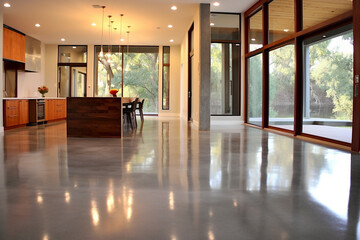
Unlike paint, stain penetrates the concrete to become a permanent part of its surface. This requires proper preparation to ensure that the stain reacts properly with the concrete.
Acid-Based Stains
Acid-based stains, also known as reactive or chem stains, contain metallic salt compounds that react with the concrete’s lime content to produce a wide spectrum of colors. They’re perfect for homeowners seeking a warm, rustic appearance with depth and character.
These stains penetrate deeply into the concrete and aren’t a “paint” that lies on the surface. Because of this, they’re durable and long-lasting. They also won’t chip, peel, or flake, making them a great choice for heavily trafficked areas like patios and driveways.
A drawback to using acid-based stains is that they won’t mask cracks, blemishes, or discoloration in the concrete. This can be a problem for clients who want their concrete stained to look new or flawless, but it’s an advantage for those who desire a more organic, antique patina.
On a new slab, acid stain manufacturers recommend waiting 28 days so the free lime can develop and provide an even reaction with the stain. Contractors should also be aware that the concrete will continue to change chemically as it ages, which may affect the stain’s color and intensity.
Water-Based Stains
Water-based stains are a growing trend in the industry. They are a safe alternative to solvent-based stains and offer an unlimited color palette. With proper preparation, a concrete slab can be transformed from a boring, lifeless piece of concrete into a multi-colored, antiqued, variegated work of art.
Water based stain requires the surface to be wet throughout the application process. If not, the stain will dry too quickly resulting in lap marks/me-chanical lines. This is easily corrected by rewetting the working area, wiping off excess stain evenly and moving on to the next section.
As with acid stains, the appearance of a water-based stain depends greatly on the surface/substrate and application methods. Age, porosity, and the condition of the concrete can cause the stain to react in different tones/hues and may hide or not hide certain surface blemishes/construction errors, etc. Using a high-grit sandpaper sanding schedule before applying the stain is highly recommended to ensure a smooth, even finish. A sanding schedule of 120-320-grit is typically used. Please see the Surface Preparation, DILUTION, APPLICATION, and SEALING sections of this Guide for detailed information.
Solid Stains
If you’re looking to stain concrete that will hold up to heavy foot or vehicular traffic, consider choosing a durable, low-maintenance solid stain. There are a variety of colors to choose from, including earthy neutrals and vibrant tones, as well as different levels of protection against UV rays, water damage and abrasion.
Before applying any concrete stain, make sure the surface is clean, dry, and properly prepped. Sweep or vacuum the area and use a degreaser to remove any oil or grease spots that may interfere with the stain’s absorption. If necessary, apply an etching solution to provide more thorough preparation.
Whether you’re using an acid or water-based stain, always test the color on a small, inconspicuous portion of your concrete surface. This will help you see how the stain looks and allow you to adjust the color before committing to the entire project. Once the stain has been applied, let it dry according to the manufacturer’s recommendations. If you’re working on a large area, try to work in sections and maintain a wet edge to avoid visible overlap marks.
Preparation
For both acid-based and water-based stains, a good surface preparation is essential. This is especially true for older concrete surfaces that have old paints or sealers, which need to be stripped using a degreaser. We can also apply an etching solution like Brickform E-Etch to open up the pores for better stain absorption.
Once the surface is etched and cleaned, the choice of color is yours. Choose from a wide palette of earthly tones, including tans, browns, and terra cottas. We recommend choosing a color that highlights your landscaping, home, or other features on the property.
Solid stains act more like paint than stain in that they sit on top of the concrete, rather than penetrating below the surface. This means they are more susceptible to peeling and damage, but if you follow the recommended stain application and maintenance regiments, they can hold up to the elements and resist mildew. After staining, we can also apply a high-quality concrete sealer to protect the new color. This is a must-have to prevent moisture migration that leads to mildew and mold.
Application
Whether using an acid or water-based stain, proper application is essential for a polished result. Spraying, brushing or rolling are all common applications. A test patch is always recommended before starting the job. This allows the team to experiment with the application techniques, allowing them to find a method that suits their aesthetic and creates an even finish. It also helps them gauge how the stain reacts to the surface, preventing any dark spots or blotching that could otherwise spoil the project.
Concrete stains are highly versatile and allow for a wide range of color options. They can be used to highlight concrete’s natural porosity, producing variegated tones and organic-looking patterns. Or, they can be used to conceal surface discoloration and repair cracks.
The most common mistake that can be made is not checking the moisture level of the concrete. If it’s too damp, the stain will not adhere properly and can lead to disappointing results. It’s also important to avoid staining during rainy or humid conditions. Newly stained concrete needs time to cure, so it’s best to wait until the weather is dry.