Septic Tank Pumping

How Does Septic Tank Pumping Work and Why Is It Important

Septic Tank Pumping

There is a part of your home that quietly handles waste every single day, yet most people rarely think about it until something goes wrong. Beneath the surface, your septic system is constantly working to process wastewater and keep your environment clean. When it functions properly, it goes unnoticed. When it fails, the consequences can be messy, expensive, and stressful.

Septic Tank Pumping Fresno is one of the simplest ways to prevent those problems, yet it is often overlooked. Understanding how this process works and why it matters can help you protect your home and avoid unnecessary complications.

Understanding the Role of a Septic Tank

A septic tank is designed to treat and separate household wastewater. Every time water flows down a drain, it enters the tank where natural processes begin to break down waste. Inside the tank, solids settle at the bottom, forming a layer known as sludge. Lighter materials such as oils and grease rise to the top, creating a scum layer. Between these layers is a relatively clear liquid that flows out into the drain field.

The tank acts as a holding and treatment chamber. It allows time for solids to decompose and prevents them from entering the drain field. This separation process is essential for the overall function of the system. Without it, the drain field would quickly become clogged and ineffective.

Over time, however, the layers inside the tank continue to build. Even with natural breakdown, not all materials decompose completely. This is where septic tank pumping becomes necessary.

What Happens During Septic Tank Pumping

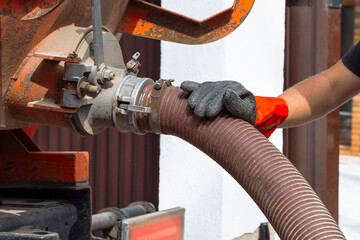
Septic tank pumping involves removing the accumulated sludge and scum from the tank. This is done using specialized equipment that extracts the waste and transports it to a proper disposal facility. The process begins by locating the tank and opening the access point.

Once the tank is open, the contents are carefully pumped out. This includes both the solid and floating layers. The goal is to restore the tank to its optimal capacity so it can continue to function efficiently. During this process, the interior of the tank may also be inspected for signs of damage or wear.

After the pumping is complete, the tank is securely closed, and the system is ready to resume operation. Although the process itself may be straightforward, its impact on the system is significant. Removing the buildup allows the tank to handle wastewater more effectively and reduces the risk of overflow or blockage.

Why Septic Tank Pumping Is Essential

Regular septic tank pumping is crucial for maintaining a healthy and functional system. Without it, the accumulation of solids can lead to serious problems. As the sludge level rises, there is less space for wastewater, which can cause backups in the home.

Another major concern is the drain field. When solids escape the tank, they can clog the soil and prevent proper absorption. This can result in standing water, unpleasant odors, and costly repairs. In some cases, the damage may be irreversible, requiring a complete replacement of the drain field.

Septic tank pumping also plays a role in protecting the environment. A failing system can release harmful contaminants into the soil and groundwater. By keeping the tank clean, the risk of pollution is minimized.

Consistent maintenance not only prevents these issues but also extends the lifespan of the system. A well maintained septic system can operate efficiently for many years, saving time and money in the long run.

Factors That Affect Pumping Frequency

The frequency of septic tank pumping depends on several factors. One of the most important is household size. More people in a home means more wastewater and faster accumulation of solids. This can require more frequent pumping to keep the system functioning properly.

Tank size also plays a role. Smaller tanks fill up more quickly and may need to be pumped more often. Larger tanks can handle more waste but still require regular maintenance to prevent buildup.

Water usage habits are another key factor. High water consumption can overwhelm the system and push solids into the drain field. Spreading out water usage and avoiding excessive strain on the system can help maintain balance.

The type of waste entering the tank also matters. Non biodegradable materials and grease can accumulate quickly and reduce the effectiveness of the system. Being mindful of what goes down the drain can help extend the time between pumping sessions.

Warning Signs That Pumping Is Needed

Even with a maintenance schedule, it is important to recognize the signs that indicate a septic tank may need pumping. Slow draining sinks and toilets are often one of the first indicators. This can suggest that the tank is nearing capacity and cannot process wastewater efficiently.

Unpleasant odors around the home or yard may also signal a problem. These smells can indicate that waste is not being properly contained within the system. In some cases, pooling water or unusually green grass near the drain field may appear, which can be a sign of overflow.

More serious issues include sewage backups inside the home. This is a clear indication that the system is overloaded and requires immediate attention. Ignoring these warning signs can lead to more extensive damage and higher repair costs.

Being proactive and addressing these symptoms early can prevent larger problems and keep the system running smoothly.

Best Practices to Support Your Septic System

In addition to regular pumping, there are several practices that can help maintain the health of a septic system. Conserving water is one of the most effective ways to reduce strain on the tank. Simple changes such as fixing leaks and using water efficiently can make a significant difference.

Avoiding the disposal of harmful materials is equally important. Items such as grease, wipes, and harsh chemicals can disrupt the natural processes within the tank. These substances can accumulate and lead to clogs or reduced efficiency.

Routine inspections can also help identify potential issues before they become serious. Checking the system periodically ensures that it is functioning as expected and allows for timely maintenance.

By combining these practices with regular septic tank pumping, homeowners can create a balanced approach that supports long term performance.

Long Term Benefits of Consistent Maintenance

Maintaining a regular septic tank pumping schedule offers numerous long term benefits. A properly functioning system reduces the risk of unexpected failures and costly repairs. It also ensures that wastewater is treated effectively, which contributes to a healthier living environment.

Consistent maintenance helps preserve the integrity of the entire system. From the tank to the drain field, each component relies on proper care to function correctly. Neglecting one aspect can lead to problems throughout the system.

Another benefit is peace of mind. Knowing that the septic system is well maintained allows homeowners to focus on other priorities without worrying about potential issues. This sense of reliability is invaluable when it comes to managing a home.

Over time, the investment in regular maintenance pays off through improved performance and reduced expenses.

Conclusion

Septic tank pumping is a simple yet essential part of maintaining a reliable wastewater system. By removing accumulated solids, it prevents blockages, protects the drain field, and supports the overall efficiency of the system. Understanding how the process works and recognizing the signs of needed maintenance can help homeowners take a proactive approach. With consistent care and attention, a septic system can continue to operate effectively for many years, providing a safe and dependable solution for managing household waste.

Home Improvement

Cabinet Painting – The Key to a High-Quality Finish

Cabinet Painting Sacramento is an inexpensive way to give your kitchen a major facelift. The key to a high-quality finish is thorough surface preparation, including cleaning and sanding.

Cabinet Painting

Cabinet paints are durable, hard-wearing and come in a wide range of colors. They can be bought in low-VOC formulations which help to keep indoor air clean.

Painting cabinets, especially a whole kitchen of them, can be a daunting DIY project. It requires much more than simply brushing on a coat of paint, and proper preparation is the key to achieving long-lasting and high-quality results. Proper cabinet painting preparation includes a thorough cleaning, sanding, priming, and paint application. Failure to follow these steps can lead to a disappointing outcome.

Using the right paint is also important for a successful finish. Choosing the best product will determine how durable and attractive your finished cabinet doors and drawer fronts will be. Oil-based primers and paints provide a hard, protective finish that will resist moisture, while water-based products offer easy cleanup and fast drying and curing times.

Before beginning your cabinet painting, be sure to clear your workspace and cover countertops, appliances, and flooring with painter’s tape to protect them from paint spills and splatters. Choose a spot outside if possible, as this will provide ventilation and help keep the paint fumes from spreading throughout your home.

Once the work area is clear, clean all surfaces with a mild cleaner such as degreaser. Washing the cabinets will ensure that any grease or grime is removed before applying the primer and paint, which will improve surface adhesion. After washing the cabinets, sand all flat areas with an oscillating sander and 120-grit sandpaper to smooth the surface. Be sure to sand in the direction of the wood grain. If you encounter any scratches or dings, patch these with spackle or wood filler and sand again to smooth the surface.

Finally, after sanding, vacuum the entire work area to remove any remaining dust and debris. If you’re using an oil-based primer, allow the product to dry thoroughly before proceeding. Otherwise, begin by applying a thin coat of primer to all surfaces. When the primer is dry, it’s time to apply your paint.

When choosing a color for your cabinets, it’s often helpful to tint the primer you’ll be using. This will prevent the underlying primer from showing through the final painted finish, and can help achieve a more even and opaque appearance.

Primer

When painting cabinets, Cabinets primer is used to create a surface for paint to adhere to and to hide any stains. It is important to use the right type of primer for your project. There are water based, oil based and self-priming Cabinets primers available. It is also possible to find tintable Cabinets primer, which can help you achieve a more even coat of paint with fewer coats.

Using the wrong type of primer can cause your paint to chip or peel, leaving you with a messy project that looks worse than it should. The best way to avoid this is to use a shellac, a water-based or an oil-based Cabinets primer that is suitable for your project.

The KILZ 3(r) Premium Primer is a powerful stain-blocking water-base formula that seals surfaces, helps you achieve a uniform finish and hides stains and previous colors. It also offers great adhesion to most surfaces and dries quickly for a quick project. Its mildew-resistant coating is a bonus in moisture-prone areas such as kitchens.

Another popular option is the Stix Waterborne Bonding Primer. This is a low odor, water based Cabinets primer that has great adhesion to most surfaces including melamine and laminate. It is easy to apply and cleans up with soap and water. It is a good choice for a do-it-yourselfer as it has very low VOC’s (Volatile Organic Compounds) and dries quicker than other water based Cabinets primers.

You may also choose to purchase a combination Cabinets primer-paint product, which is typically less expensive than purchasing a separate Cabinets primer and paint. However, if your surface is very porous it is recommended that you still use a Cabinets primer to ensure that your new paint adheres properly.

It is also recommended that you lightly sand your surface before applying any type of Cabinets primer or paint. This will help you achieve a smooth and even finish and it is particularly important if your cabinet surface has been previously painted or stained. Light sanding also helps to remove any dust or dirt, which can mar your beautiful finish.

Paint

Cabinet paint is used on the exterior and interior of cabinets, so it needs to be very durable. It should withstand moisture, heat, and regular handling. The right paint will also resist mold and mildew. There are oil-based and acrylic paints, but high-quality latex is typically the best option. This type of paint can be more forgiving than an oil-based product, making it a good choice for amateur painters.

When choosing a color, be sure to test it on your cabinets or a piece of white foam board. This will give you an idea of how the color looks in both natural and artificial light throughout the day and night. Ideally, you should apply the sample to all surfaces, including doors and drawer fronts.

Before painting, the cabinets should be thoroughly cleaned with a degreaser cleaner like Krud Kutter or a green Scotch Bright scrubber. A light sanding with 100 or 150-grit paper is necessary to ensure that the primer and paint adhere to the surface. Then, all surfaces need to be lightly wiped with a damp cloth and then vacuumed to remove dust particles.

After the cabinets are clean and dry, they need to be primed with a quality oil-based primer such as BM advance or scuffx. It is important to follow the manufacturer’s directions and allow for adequate drying time. Once the primer is dry, it’s time to begin the actual painting. It is recommended that you use a brush on trim and a roller for flat surfaces. It is important to sand between coats and to let each coat dry completely before applying the next. It may take three or four coats to get your cabinets fully covered, but it is well worth the effort.

Finish

When it comes to cabinet painting, proper surface prep isn’t just important, it’s vital. If you don’t follow the right steps, your paint will fail and you may have to strip everything down to start over. The key to a successful project is understanding the process and taking your time. There are many steps involved in a cabinet painting job, including cleaning, sanding, patching, priming, and painting. These steps, if done properly, will ensure your results are as close to a factory finish as possible.

The first step is to clean your cabinets thoroughly. This isn’t just a quick wipe, but a deep cleaning to get rid of grease and grime. This is especially important because the oils in these substances will prevent your new coat of paint from adhering properly. Once your surfaces are cleaned, you can begin sanding. Start with a coarse grit, such as 80 or 100, to roughen up the surface. Then, switch to a finer grit, such as 220, to smooth it out and prepare it for primer and paint.

After sanding, you’ll need to apply a high-quality primer. Choose a product that’s designed for kitchen cabinets, as this will help create a long-lasting finish. If you prefer, you can also opt for a cabinet sander to save yourself some time. Be sure to follow the manufacturer’s instructions for application. It’s important to allow this primer to dry completely before proceeding.

Now that the primer is dry, you can begin applying your topcoat of paint. You’ll want to use a high-quality product that’s specifically made for cabinets. A foam roller is a great option for larger areas, as it gives a smoother finish than traditional brushes. For detailed work or corners, a paint sprayer is ideal.

Once your topcoat of paint is dry, you can begin reassembling your cabinets. Be sure to label all of the hardware so you can reattach it correctly. You may also want to consider updating your hardware, as this can give your cabinets a fresh look. Once all of the cabinets are reassembled, it’s important to make sure they open and close smoothly. Then, you’ll be able to enjoy your brand-new, beautiful cabinets!